Beyond AI_ded Design
Looking Forward, Looking Backward
Exploring the intersection of artificial intelligence and the future of architectural practice and design innovation
📆 November 18 – 20, 2026 | 📍 Santiago, Chile
Important Dates
All dates listed below are tentative and subject to change. The conference organizers reserve the right to modify the schedule in response to unforeseen circumstances or organizational requirements. The only exception is the date of the in-person conference, which will remain fixed.
Stage 1 – Call for abstracts
| Abstract Submission | 17 Apr 2026 |
Stage 2 – Call for papers
| Notification of Acceptance | 11 May 2026 |
| Full paper submission | 29 Jun 2026 |
Camera-ready
| Notification of acceptance | 07 Aug 2026 |
| Camera Ready submission | 11 Sep 2026 |
In person conference
📆 November 18 – 20, 2026
📍 Santiago, Chile
Important Dates
All dates listed below are tentative and subject to change. The conference organizers reserve the right to modify the schedule in response to unforeseen circumstances or organizational requirements. The only exception is the date of the in-person conference, which will remain fixed.
Stage 1 – Call for abstracts
| Abstract Submission | 17 Apr 2026 |
Stage 2 – Call for papers
| Notification of Acceptance | 11 May 2026 |
| Full paper submission | 29 Jun 2026 |
Camera-ready
| Notification of acceptance | 07 Aug 2026 |
| Camera Ready submission | 11 Sep 2026 |
In person conference
📆 November 18 – 20, 2026
📍 Santiago, Chile
Host 2026
The university tradition in Chile is inseparable from the founding of the Universidad de Chile in 1842, in the city of Santiago, the country’s political, cultural, and economic capital. Established as the principal public institution of higher education, the University of Chile was conceived with the explicit mission of contributing to the construction of the nation through knowledge, education, and public service. Throughout its history, it has played a decisive role in shaping Chile’s intellectual life, public policies, and cultural development, positioning itself as a leading academic reference in Latin America.
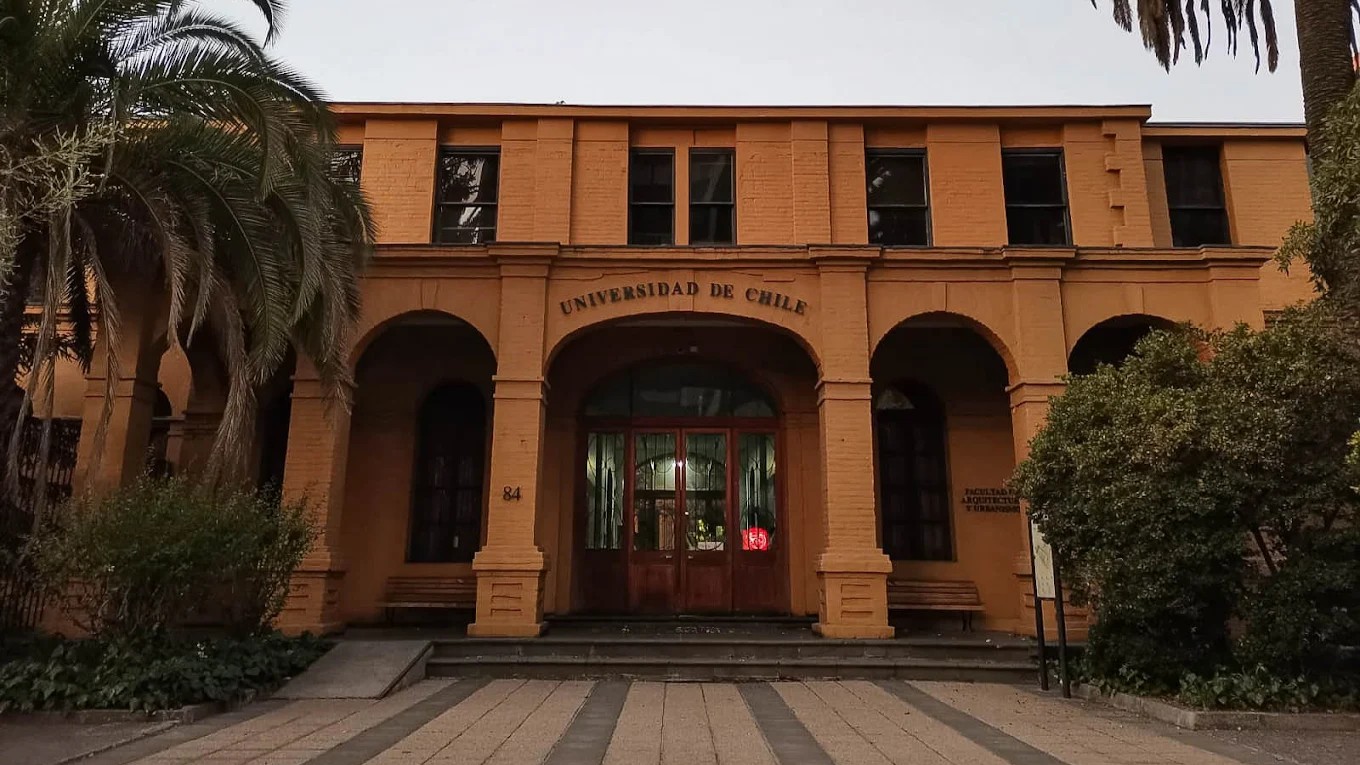
Within this institutional framework, the Facultad de Arquitectura y Urbanismo (FAU) was formally established in 1944, consolidating a long-standing tradition of teaching and research in architecture, urbanism, and territorial studies. Since its creation, FAU has embodied the public vocation of the University of Chile, promoting a critical and reflective approach to the production of space, with a strong emphasis on social responsibility, equity, and the common good. Its academic project articulates teaching, research, and creation as interconnected dimensions, oriented toward understanding and transforming the built and territorial environment in response to the country’s social, environmental, and cultural challenges.
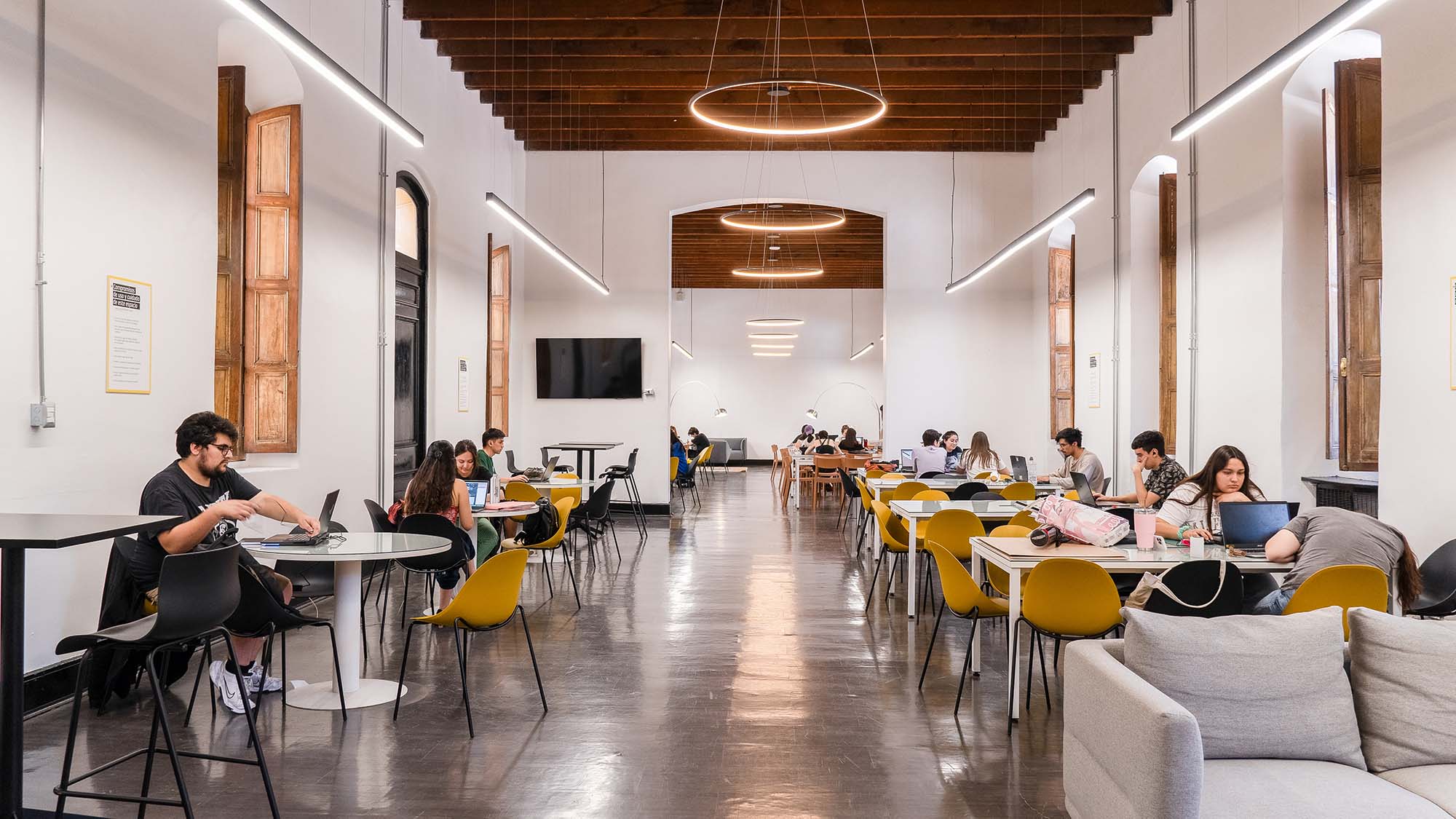
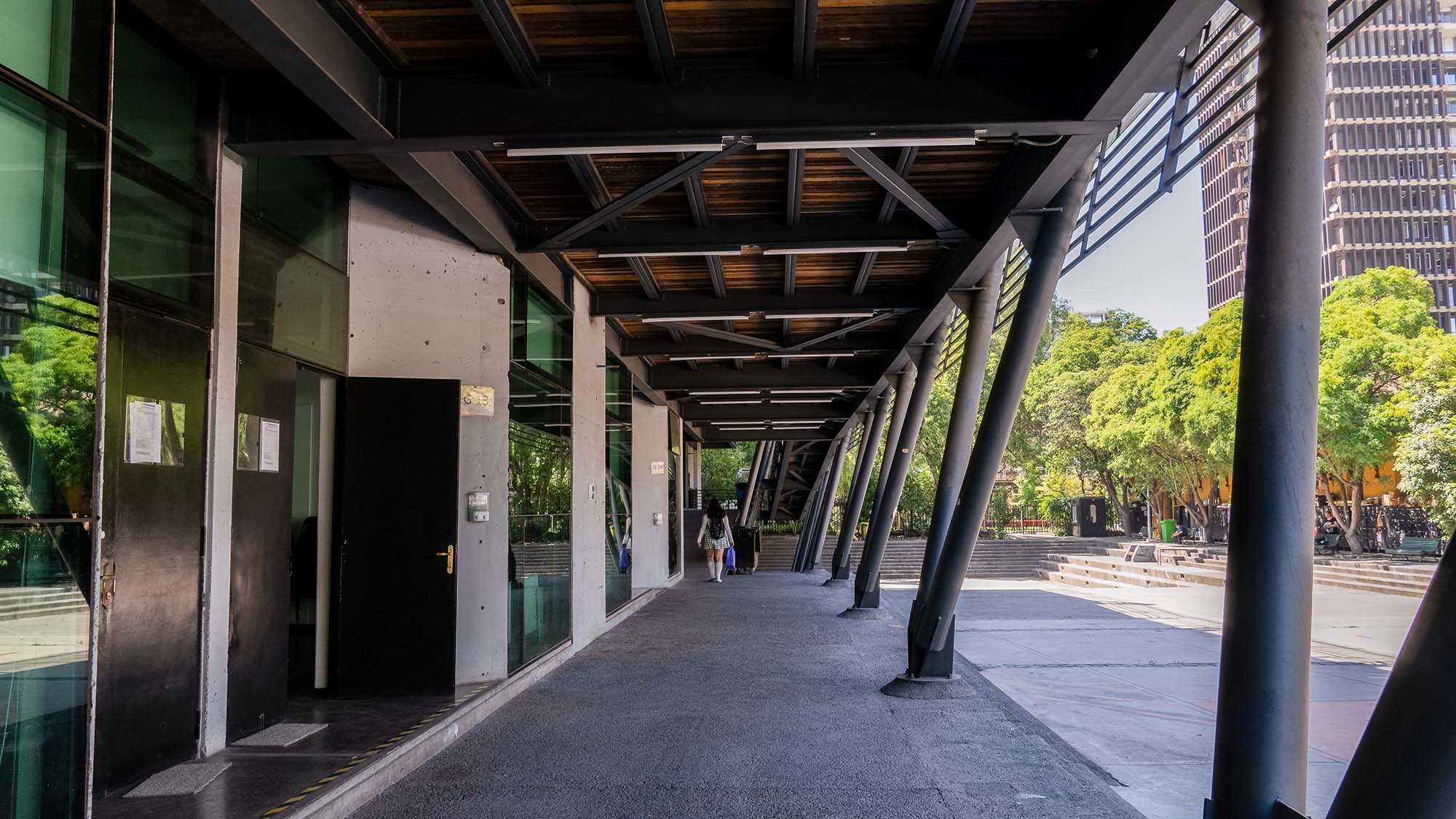
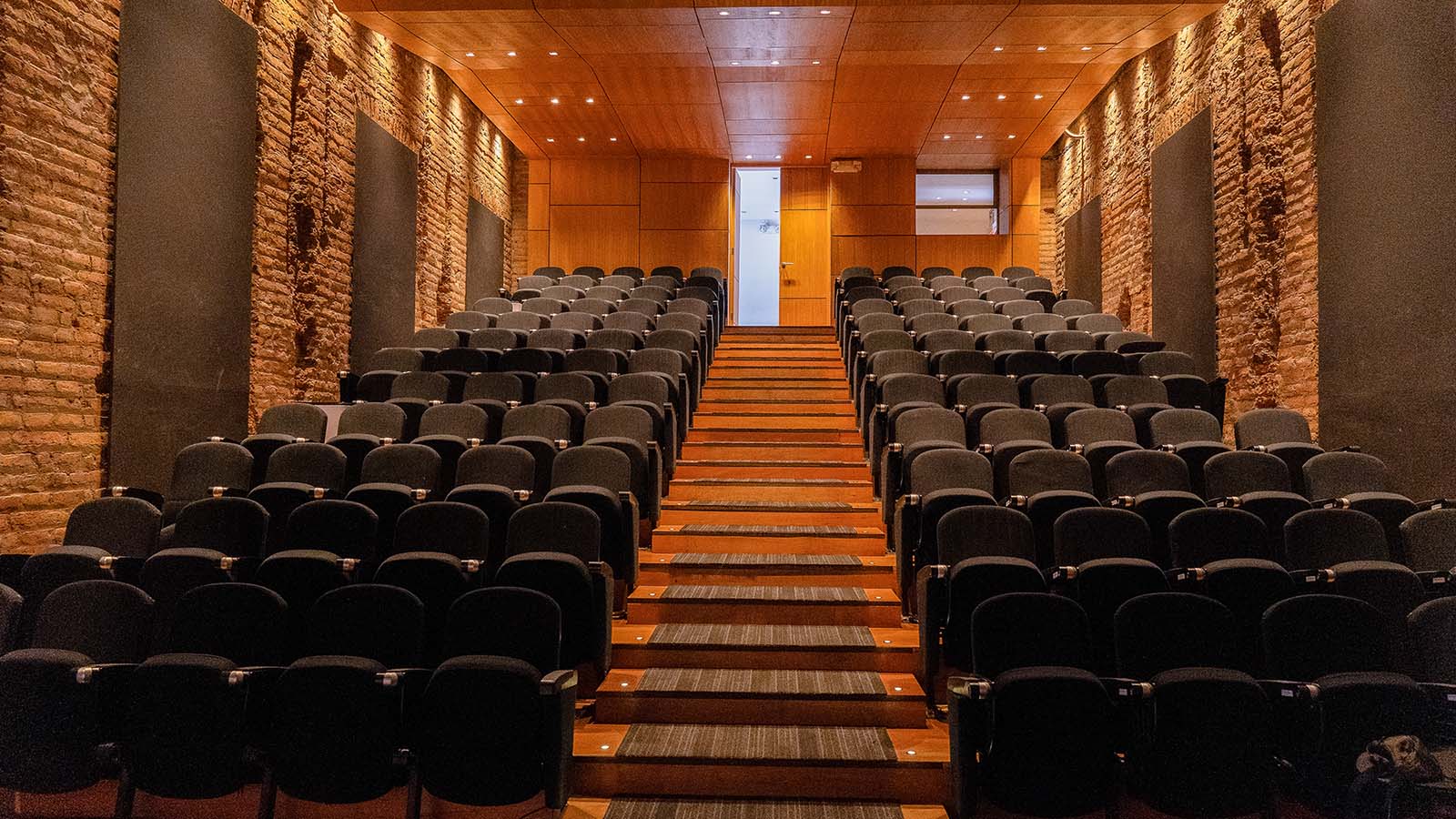
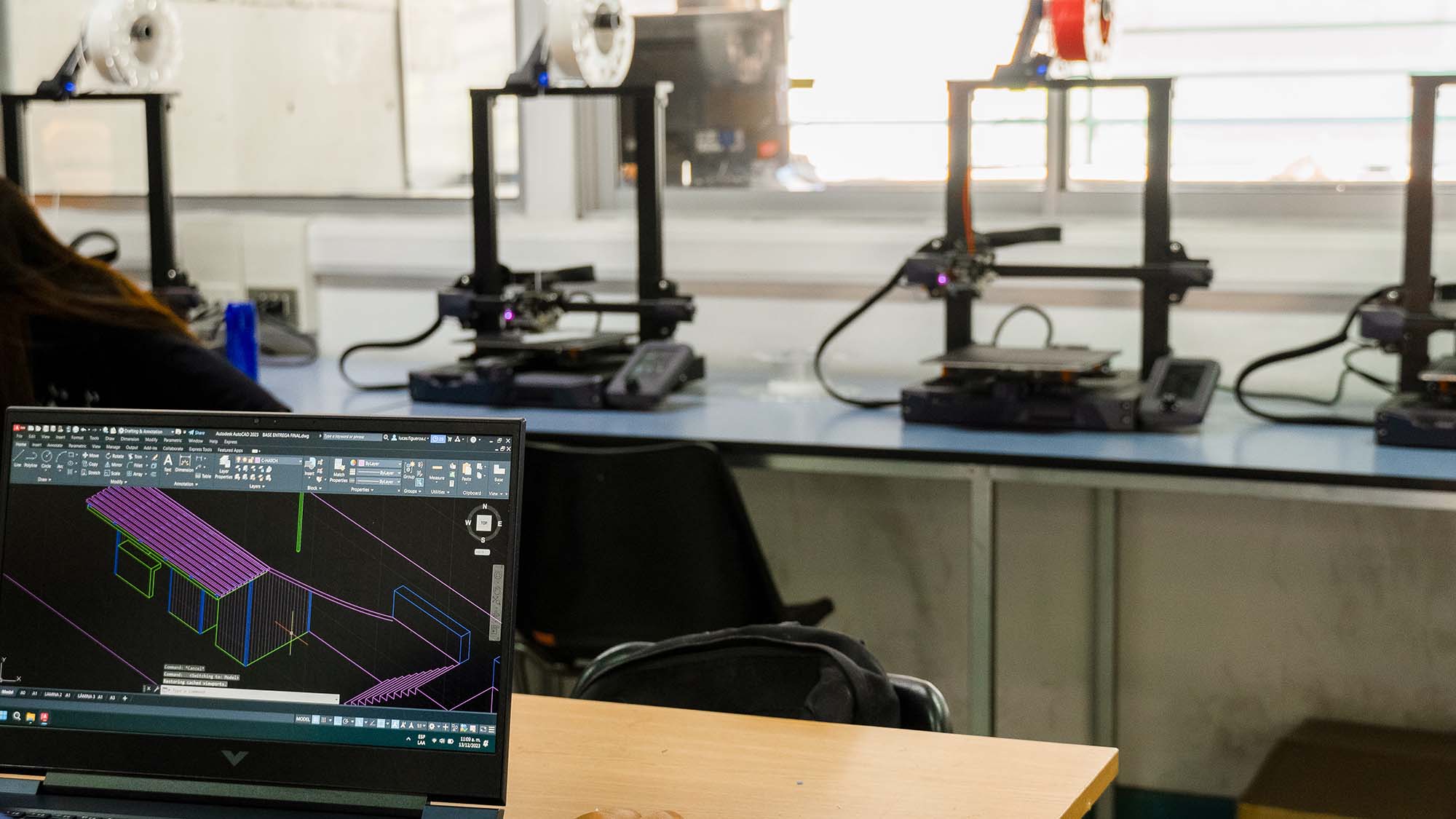
FAU carries out its academic activities on the Andrés Bello Campus, located in central Santiago, where undergraduate and postgraduate programs coexist with research centers, laboratories, and spaces dedicated to artistic and cultural production. At the undergraduate level, the faculty offers degree programs in Architecture, Design and Geography, fostering interdisciplinary perspectives that connect spatial practices with social and territorial processes. At the postgraduate level, FAU offers doctoral and master’s programs, along with postgraduate diplomas, which contribute to advanced research and professional specialization in architecture, urban studies, geography, and related fields.
As part of the University of Chile—an institution that serves a community of more than 40,000 students—FAU plays a strategic role in the education of professionals and researchers committed to the public interest. Through its academic, research, and outreach activities, the faculty contributes to critical debates on the city, territory, and environment, reaffirming its responsibility in the construction of more just, inclusive, and sustainable forms of habitation.
Main theme
Beyond AI_ded Design:
Looking Forward, Looking Backward
Thirty years after its founding, SIGraDi and the University of Chile invite the academic, professional, and creative communities to participate in the thirtieth international congress of the Ibero-American Society of Digital Graphics, to be held in Santiago, at the University of Chile, from November 18 to 20, 2026.
This new gathering marks a symbolic return to the University of Chile, which hosted SIGraDi 2006 two decades ago under the theme “The Human Factor.” On that occasion, we invited critical reflection on the role that human beings played in the emerging world of digital design. That critical gaze toward the past—and toward the future—returns today, more than ever, with renewed relevance in the face of the emergence of even more disruptive technologies.
Thus, on this occasion we propose the concept of “AI_ded Design,” a notion that updates the legacy of CAD (Computer-Aided Design) and projects it toward a new horizon in which design, architecture, and urbanism are redefined through algorithmic structures, intelligent environments, and autonomous systems mediated by Artificial Intelligences.
We invite you to think beyond computer-aided design. We seek to open a space for discussion around a form of design in which computation—increasingly transparent, ubiquitous, and autonomous—gives rise to new forms of cognition, agency, emergence, distributed processes, and a necessary technological ethics that reconfigures project-based practices.
To stimulate this collective conversation, we propose four open questions:
-
What have we learned over these 30 years?
-
What have we improved over these 30 years?
-
What have we achieved over these 30 years?
-
What challenges emerge in the relationship between humans, machines, and environments?
Conference tracks
1. Design Reasoning
Generative design and artificial intelligence applied to architecture; Machine learning and environmental optimization in design; BIM, Parametric Design; Evolutionary algorithms for adaptive architecture.
2. Digital Fabrication and Automated Construction
Robotics and autonomous structural assembly; 3D and 4D printing in advanced construction; Nanotechnology applied to intelligent materials.
3. Bioarchitecture and Bio-Inspired Computing
Living materials and self-organizing construction systems; Digital morphogenesis and adaptive structural growth; Biotechnology and biomaterials in architectural design.
4. Extended Reality and Immersive Interfaces
Virtual, Augmented, and Mixed Reality for visualization and construction; Multisensory experiences and human–architecture interaction; Collaborative design processes in immersive digital environments.
5. Smart Cities, Digital Cartographies, Territory, and Computational Urbanism
IoT and responsive urban environments; Big data and real-time urban planning; Intelligent and self-adjusting spaces; Use of GIS, urban sensors, and territorial data modeling; Design projects oriented toward spatial justice and social inclusion; Geospatial data visualization in participatory urban design processes; Critical cartographies, territorial intelligence, and sustainable planning.
6. Artistic Practices and Media Design
Critical and poetic explorations with emerging technologies; Generative art, interactive installations, and responsive environments; Media design in hybrid contexts: body, machine, and space; Relationships between computational aesthetics and algorithmic languages.
7. Design Education in the Age of AI
Pedagogical transformations amid technological disruption; New professional profiles and emerging competencies; Autonomous learning and human–machine co-teaching models; Curricular obsolescence and academic program redesign; Immersive environments and digital platforms in design education; Assessment, creativity, and student agency in automated contexts.
8. Environmental and Ethical Costs of Computational Architecture
Energy consumption and carbon footprint of AI and digital fabrication; Resource extraction for electronic devices: social and ecological impacts; Technological obsolescence and digital waste generation; Data sovereignty, surveillance, and urban design; Toward an ethics of sustainable technological design.
2026 Venue
Santiago de Chile
Welcome to Santiago de Chile, the political, cultural, and economic capital of the country. Located in the heart of the Central Valley, the city extends along the banks of the Mapocho River, framed by the Andes Mountains to the east and the Coastal Range to the west. Founded on February 12, 1541, by Pedro de Valdivia under the name Santiago del Nuevo Extremo, Santiago has grown into one of the most significant metropolitan centers in Latin America.
As the core of the Greater Santiago metropolitan area, the city concentrates more than seven million inhabitants and hosts the country’s main political institutions, universities, cultural centers, and economic activities. Its extensive connectivity and infrastructure include a modern public transportation system, an international airport, and major highways that link the city to the rest of the country and the region. Santiago’s urban landscape combines historic districts with contemporary architecture, offering a wide range of museums, gastronomy, shopping areas, theaters, parks, and large-scale cultural and entertainment venues.
Santiago has played a central role in Chilean history from the colonial period to the present day, serving as the stage for key political, social, and cultural transformations that have shaped the nation. The La Moneda Palace, seat of the Chilean government, stands as a powerful symbol of the country’s republican tradition and modern political history.
The identity of Santiago is the result of multiple overlapping cultural layers, beginning with the indigenous presence in the Mapocho Valley prior to Spanish colonization and continuing through the colonial and republican periods reflected in its urban form and institutions. These foundations were later enriched by strong rural–urban exchanges, significant European immigration during the 19th and 20th centuries, and, more recently, by multicultural dynamics driven by Latin American and global migration. Together, these influences have shaped a diverse, complex, and constantly evolving urban identity.
The city is home to a wide range of heritage sites and cultural institutions, including colonial churches, historic neighborhoods, and internationally recognized museums. Landmarks such as the Church of San Francisco, the National Museum of Fine Arts, and the Chilean Museum of Pre-Columbian Art testify to Santiago’s historical depth and cultural significance.
Today, Santiago presents itself as a dynamic and globalized city marked by contrasts and coexistence. Financial districts with high-rise buildings stand alongside traditional neighborhoods and large urban parks, such as the Metropolitan Park of Santiago, one of the largest urban parks in the world. Its contemporary artistic, cultural, and gastronomic scenes continue to expand, positioning the city as a leading urban destination in South America.
Come and discover Santiago de Chile—a city where history and modernity intersect, where cultural diversity thrives, and where urban life unfolds between mountains, parks, and vibrant neighborhoods. Santiago is an accessible, welcoming, and multifaceted city that invites you to experience the richness of Chilean culture. Enjoy Santiago.
Call for abstracts
We are pleased to announce the call for abstracts for the SIGraDi 2026 Conference. We invite you to submit abstracts of academic research and professional practice by April 17th. Abstracts must be original and unpublished, they cannot be sent simultaneously to another conference or journal, and they must be written following the guidelines of the APA 7th standard in one of the three official SIGraDi languages (Spanish, Portuguese, or English). The texts must contain 450 – 550 words in addition to references and be organized according to the following structure.
- Title: The name of the work must be concise and consistent with the purpose of the study.
- Keywords: 5 keywords (mandatory) that identify the project.
- Introduction: General and specific problems, objectives, and relevance.
- Methodology: Methods, stages, and techniques.
- Results: Key findings or expected results.
- Discussion: Contribution and impact.
- References: Relevant sources.
Evaluation criteria
The text of the abstract should not mention the names of the authors or their institutions. The abstracts will be reviewed by a blind international scientific committee under the following criteria:
● General organization
● Concordance with the main theme or tracks
● Originality
● Relevance
● Quality of the methodology
● Quality of references
Publications
Authors with accepted abstracts will be able to submit their full articles for a second phase of blind review. The accepted full texts will be published in the Proceedings book with ISBN and on the Cumincad Open Access platform.
The OpenConf platform is now available for abstract submission.
Our team
Director
Pedro Soza
Chile

Co-Director
Bruno Perelli
Chile
Eduardo Hamuy
Openconf Platform
Magdalena Cattan
Openconf Platform
Lorna Lares
Logistics Committee
Claudio Castro
Logistics Committee
Osvaldo Zorzano
Design & Communication
Roberto Doussang
Design & Communication
Roxana Alvarado
Design & Communication
Magdalena Cattan
Track Chairs & Moderators
Eduardo Hamuy
Track Chairs & Moderators
Mauricio Loyola
Track Chairs & Moderators
Alberto Fernández
Track Chairs & Moderators
Tomas Cox
Track Chairs & Moderators
Alberto Fernández
Workshop coordination
Mauricio Loyola
PhD Wokshop coodination
Our team
Pedro Soza
Director
Bruno Perelli
Co-Director
Eduardo Hamuy
Openconf Platform
Magdalena Cattan
Openconf Platform
Lorna Lares
Logistics Committee
Claudio Castro
Logistics Committee
Osvaldo Zorzano
Design & Communication
Roberto Doussang
Design & Communication
Roxana Alvarado
Design & Communication
Magdalena Cattan
Track Chairs & Moderators
Eduardo Hamuy
Track Chairs & Moderators
Mauricio Loyola
Track Chairs & Moderators
Alberto Fernández
Track Chairs & Moderators
Tomas Cox
Track Chairs & Moderators
Alberto Fernández
Workshop coordination
Mauricio Loyola
PhD Wokshop coodination
Contact
Local host