Why SIGraDi 2026?
Thirty years
looking forward.
More than a conference, a milestone for digital design.
This anniversary edition brings together the global digital design community to celebrate the past, discuss the present, and imagine the future of architecture, design, city planning, education, and artificial intelligence.
30 Years of SIGraDi
Celebrate three decades of research, education, and collaboration that have shaped digital design across Ibero-America and connected generations of scholars and practitioners.
Hosted in Santiago
Experience one of Latin America’s leading innovation hubs, where the Andes, contemporary architecture, and a vibrant cultural scene provide a unique setting for international exchange.
Beyond AI_Ded Design
Explore how artificial intelligence is transforming architecture and design while keeping human creativity, critical thinking, and disciplinary knowledge at the center of the conversation.
An International Community
Meet researchers, educators, and professionals from around the world through keynotes, paper sessions, workshops, and networking opportunities that foster lasting collaborations.
Keynotes

Joanna Zylinska
Joanna Zylinska is a writer, artist, curator and Professor of Media Philosophy + Critical Digital Practice at King’s College London, where she directs the Centre for the Ecologies of Attention and Perception. An advocate of ‘radical open-access’, she is a co-Director of Open Humanities Press. Zylinska is an author of a number of books – including The Perception Machine: Our Photographic Future Between the Eye and AI (MIT Press, 2023) and AI Art: Machine Visions and Warped Dreams (Open Humanities Press, 2020). Her own art practice involves experimenting with different kinds of image-based media. Zylinska is currently researching perception and cognition as boundary zones between human and machine intelligence, while examining various narratives of collapse, be it on the level of AI models or planetary systems.
Instagram: @joanna.zylinska
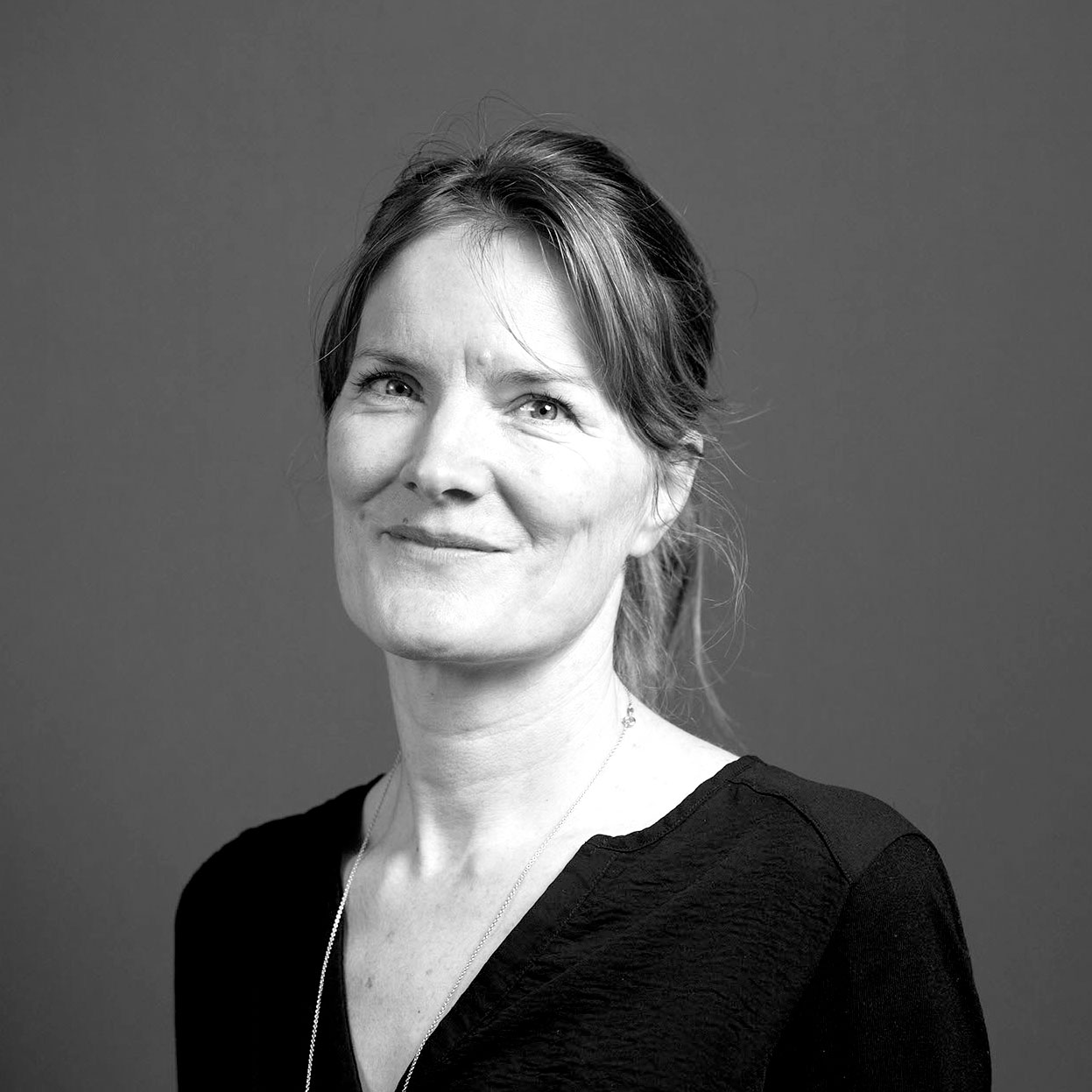
Mette Ramsgaard
Mette Ramsgaard Thomsen researches the intersections of architecture and computational design. During the last 15 years her focus has been on the profound changes that digital technologies instigate in the way architecture is thought, designed and built. In 2005 she founded the Centre for IT and Architecture (CITA) at the Royal Danish Academy – Architecture, Design, Conservation where she has piloted a special research focus on digital-material relations. Her investigations into computational modelling, digital fabrication and material systems have helped shape an international field exploring new material practices in architecture. In 2025 CITA comprises a vibrant research community. In 2022 she was appointed Cret Chair at the University of Pennsylvania where I focus on bio-based additive manufacturing. In 2018-2023 she was General Reporter and Head of Science Track for the UIA2023CPH world congress “Sustainable Futures – Leave no one behind” asking how architecture can contribute to the UN SDGs. Currently, she leads the ERC Advanced Grant project Eco-Metabolistic Framework for Sustainable Architecture.
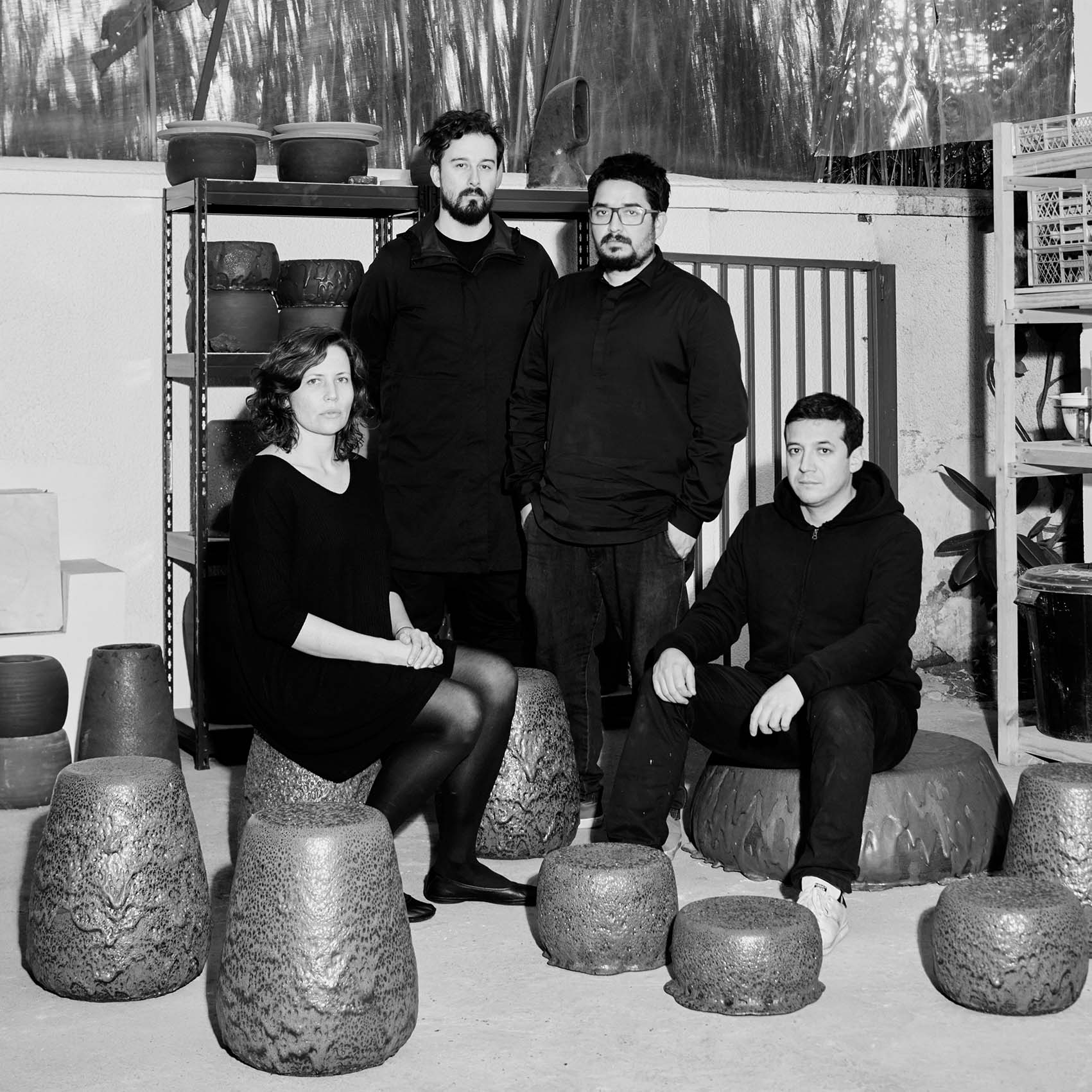
gt2P
gt2P is a Santiago-based studio working at the intersection of architecture, art, and design. Their practice is defined by an ongoing exploration of digital crafting, where computational design technologies encounter local material cultures, traditional techniques, and craft-based knowledge. Their methodology combines the systematization of natural, artificial, geometric, and spatial phenomena through generative algorithms with a strong artistic and cultural dimension rooted in local heritage. Through parametric design, gt2P integrates design, development, and fabrication processes, while traditional experience and material knowledge enrich the generative systems—the “DNA”—that give form to their work.
Instagram: @gt2p

Maria Loreto Flores
Maria Loreto Flores is an Associate Director at ZHA, where she has worked since 2006, leading major projects across Asia, Europe, the Middle East, and Latin America. Her portfolio includes high-profile developments such as Pierres Vives in Montpellier, France; the d’Leedon Residential Complex in Singapore; the Morpheus Hotel in Macau, China and most recently, the Seamless Bridge in Hangzhou’s Seamless City, China. With expertise in complex geometry and innovative construction methodologies, she also contributes to ZHA’s People & Culture Committee and Low Carbon Initiative. A committed advocate for gender equity, she serves on the Strategic Board of Women in Architecture UK (WIA UK), leading its International Outreach efforts. Maria Loreto has taught and reviewed at leading institutions in the UK, the US, and Latin America.
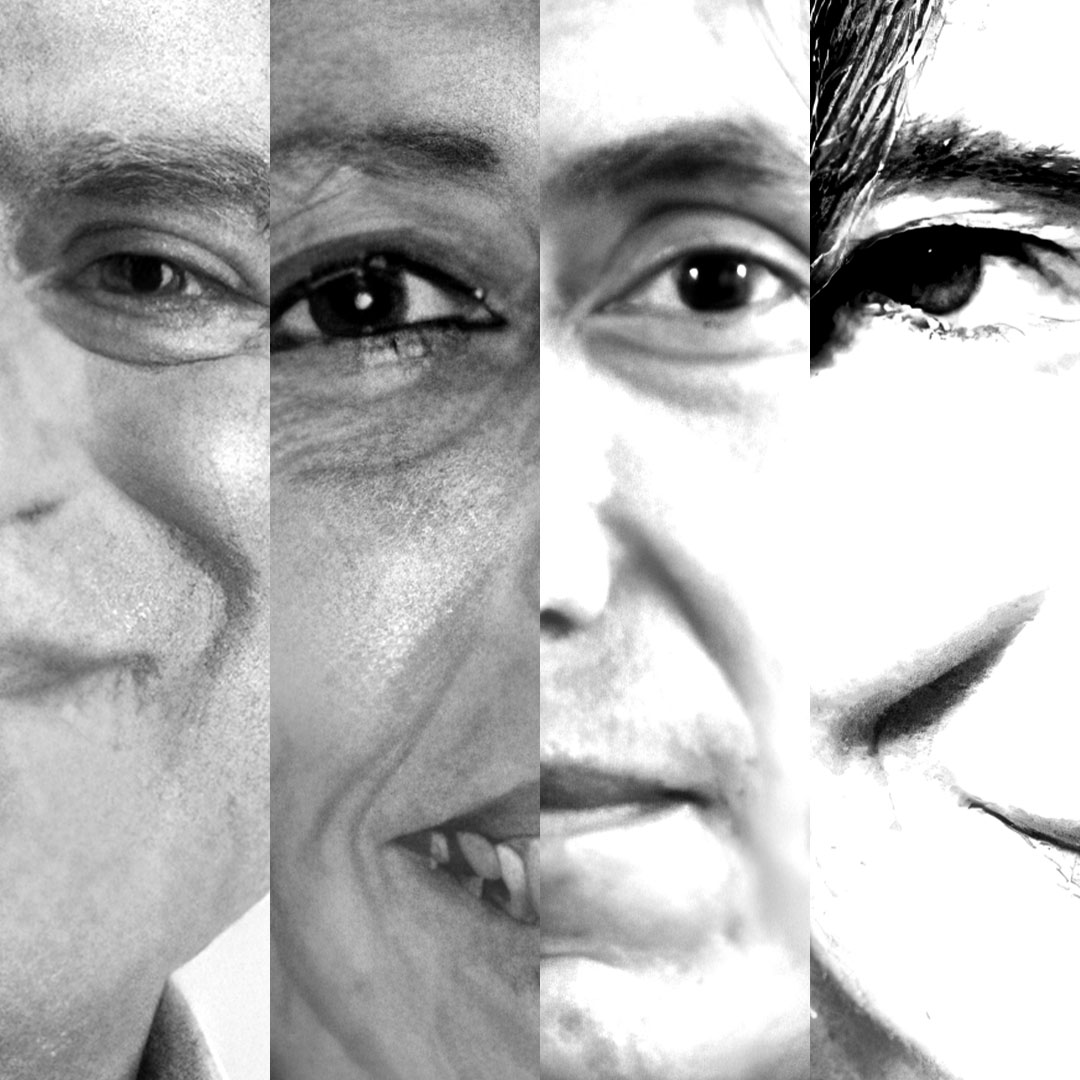
Gabriela Celani, Pablo Herrera, Rodrigo García, and Patricia Hernández
The 30th anniversary SIGraDi panel will bring together four Arturo Montagú Award recipients—Gabriela Celani (Brazil), Pablo Herrera (Peru), Rodrigo García (Chile), and Patricia Hernández (Argentina). Drawing on their contributions to digital culture, computational design, digital fabrication, and architectural research, they will revisit key moments in SIGraDi’s history and discuss future challenges for architecture, design, and digital technologies in Ibero-America.
Important Dates
All dates listed below are tentative and subject to change. The conference organizers reserve the right to modify the schedule in response to unforeseen circumstances or organizational requirements. The only exception is the date of the in-person conference, which will remain fixed.
Stage 1 – Call for abstracts
| Abstract Submission | 17 Apr 2026 |
Stage 2 – Call for papers
| Notification of Acceptance | 15 May 2026 |
| Full paper submission | 15 Jul 2026 |
Stage 3 – Camera-ready
| Notification of acceptance | 22 Aug 2026 |
| Camera Ready submission | 7 Oct 2026 |
In person conference
📆 November 18 – 20, 2026
📍 Santiago, Chile
Important Dates
All dates listed below are tentative and subject to change. The conference organizers reserve the right to modify the schedule in response to unforeseen circumstances or organizational requirements. The only exception is the date of the in-person conference, which will remain fixed.
Stage 1 – Call for abstracts
| Abstract Submission | 17 Apr 2026 |
Stage 2 – Call for papers
| Notification of Acceptance | 15 May 2026 |
| Full paper submission | 15 Jul 2026 |
Stage 3 – Camera-ready
| Notification of acceptance | 22 Aug 2026 |
| Camera Ready submission | 7 Oct 2026 |
In person conference
📆 November 18 – 20, 2026
📍 Santiago, Chile
Main theme
Beyond AI_ded Design:
Looking Forward, Looking Backward
Thirty years after its founding, SIGraDi and the University of Chile invite the academic, professional, and creative communities to participate in the thirtieth international congress of the Ibero-American Society of Digital Graphics, to be held in Santiago, at the University of Chile, from November 18 to 20, 2026.
This new gathering marks a symbolic return to the University of Chile, which hosted SIGraDi 2006 two decades ago under the theme “The Human Factor.” On that occasion, we invited critical reflection on the role that human beings played in the emerging world of digital design. That critical gaze toward the past—and toward the future—returns today, more than ever, with renewed relevance in the face of the emergence of even more disruptive technologies.
Thus, on this occasion we propose the concept of “AI_ded Design,” a notion that updates the legacy of CAD (Computer-Aided Design) and projects it toward a new horizon in which design, architecture, and urbanism are redefined through algorithmic structures, intelligent environments, and autonomous systems mediated by Artificial Intelligences.
We invite you to think beyond computer-aided design. We seek to open a space for discussion around a form of design in which computation—increasingly transparent, ubiquitous, and autonomous—gives rise to new forms of cognition, agency, emergence, distributed processes, and a necessary technological ethics that reconfigures project-based practices.
To stimulate this collective conversation, we propose four open questions:
-
What have we learned over these 30 years?
-
What have we improved over these 30 years?
-
What have we achieved over these 30 years?
-
What challenges emerge in the relationship between humans, machines, and environments?
Conference tracks
1. Design Reasoning
Generative design and artificial intelligence applied to architecture; Machine learning and environmental optimization in design; BIM, Parametric Design; Evolutionary algorithms for adaptive architecture.
2. Digital Fabrication and Automated Construction
Robotics and autonomous structural assembly; 3D and 4D printing in advanced construction; Nanotechnology applied to intelligent materials.
3. Bioarchitecture and Bio-Inspired Computing
Living materials and self-organizing construction systems; Digital morphogenesis and adaptive structural growth; Biotechnology and biomaterials in architectural design.
4. Extended Reality and Immersive Interfaces
Virtual, Augmented, and Mixed Reality for visualization and construction; Multisensory experiences and human–architecture interaction; Collaborative design processes in immersive digital environments.
5. Smart Cities, Digital Cartographies, Territory, and Computational Urbanism
IoT and responsive urban environments; Big data and real-time urban planning; Intelligent and self-adjusting spaces; Use of GIS, urban sensors, and territorial data modeling; Design projects oriented toward spatial justice and social inclusion; Geospatial data visualization in participatory urban design processes; Critical cartographies, territorial intelligence, and sustainable planning.
6. Artistic Practices and Media Design
Critical and poetic explorations with emerging technologies; Generative art, interactive installations, and responsive environments; Media design in hybrid contexts: body, machine, and space; Relationships between computational aesthetics and algorithmic languages.
7. Design Education in the Age of AI
Pedagogical transformations amid technological disruption; New professional profiles and emerging competencies; Autonomous learning and human–machine co-teaching models; Curricular obsolescence and academic program redesign; Immersive environments and digital platforms in design education; Assessment, creativity, and student agency in automated contexts.
8. Environmental and Ethical Costs of Computational Architecture
Energy consumption and carbon footprint of AI and digital fabrication; Resource extraction for electronic devices: social and ecological impacts; Technological obsolescence and digital waste generation; Data sovereignty, surveillance, and urban design; Toward an ethics of sustainable technological design.
Host 2026
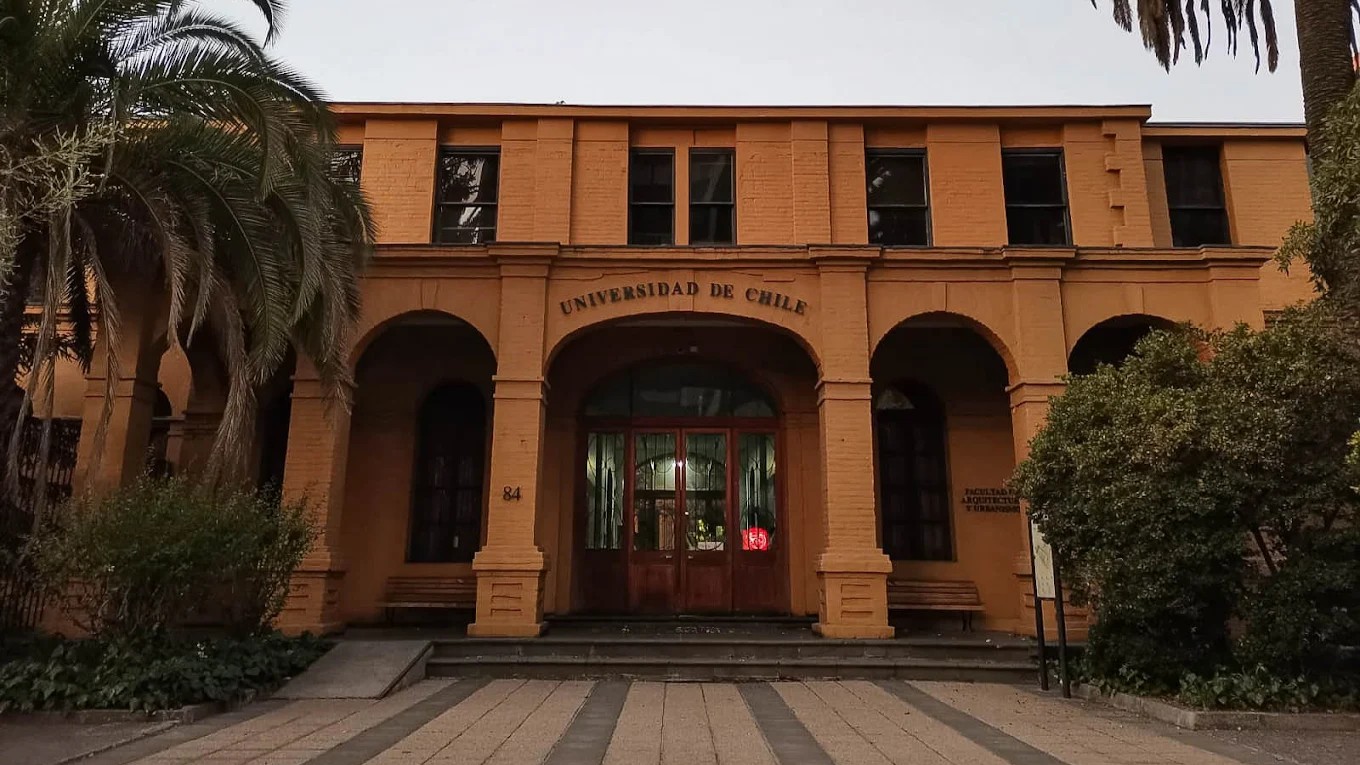
The university tradition in Chile is inseparable from the founding of the Universidad de Chile in 1842, in the city of Santiago, the country’s political, cultural, and economic capital. Established as the principal public institution of higher education, the University of Chile was conceived with the explicit mission of contributing to the construction of the nation through knowledge, education, and public service. Throughout its history, it has played a decisive role in shaping Chile’s intellectual life, public policies, and cultural development, positioning itself as a leading academic reference in Latin America.
Within this institutional framework, the Facultad de Arquitectura y Urbanismo (FAU) was formally established in 1944, consolidating a long-standing tradition of teaching and research in architecture, urbanism, and territorial studies. Since its creation, FAU has embodied the public vocation of the University of Chile, promoting a critical and reflective approach to the production of space, with a strong emphasis on social responsibility, equity, and the common good. Its academic project articulates teaching, research, and creation as interconnected dimensions, oriented toward understanding and transforming the built and territorial environment in response to the country’s social, environmental, and cultural challenges.
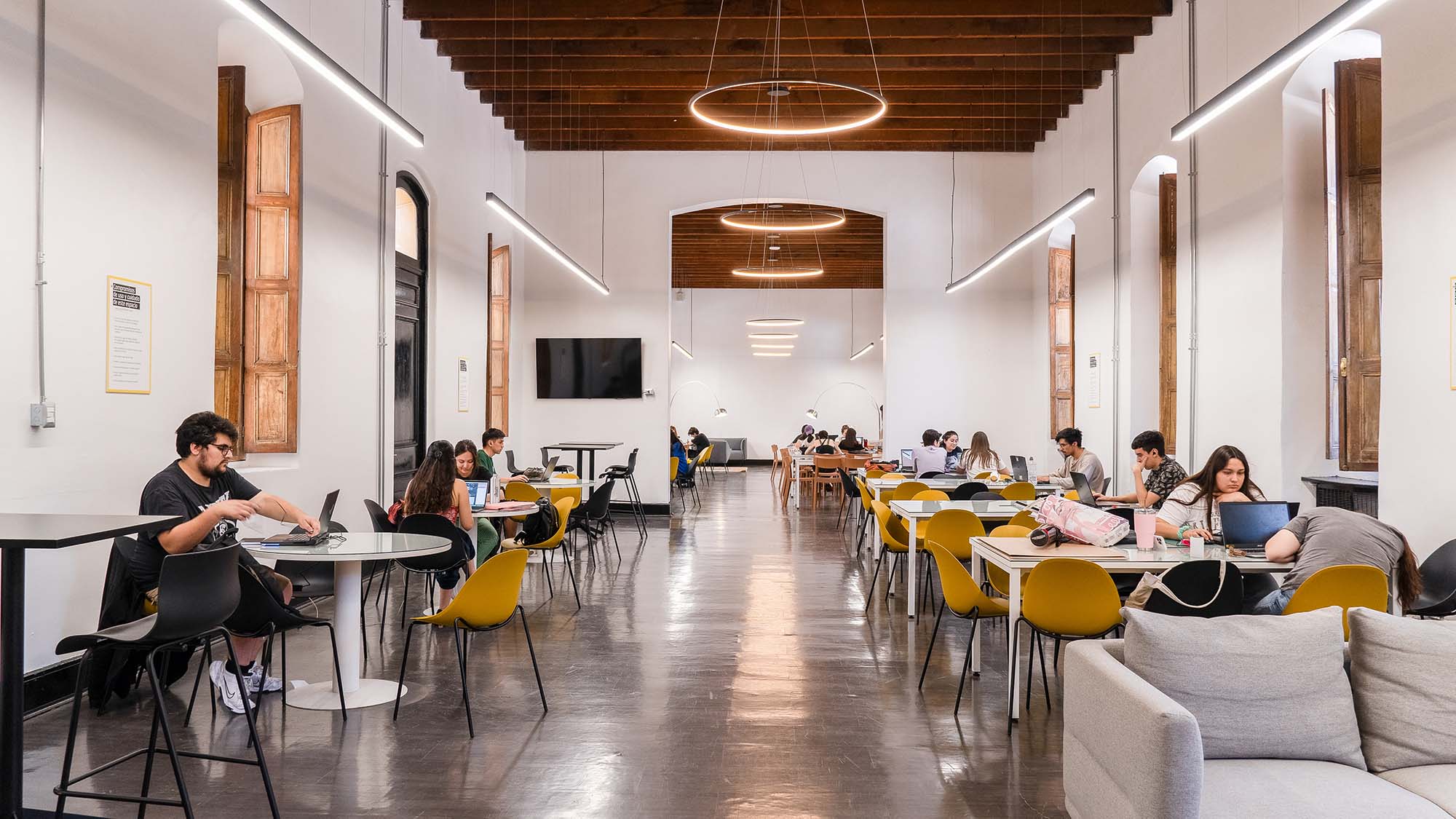
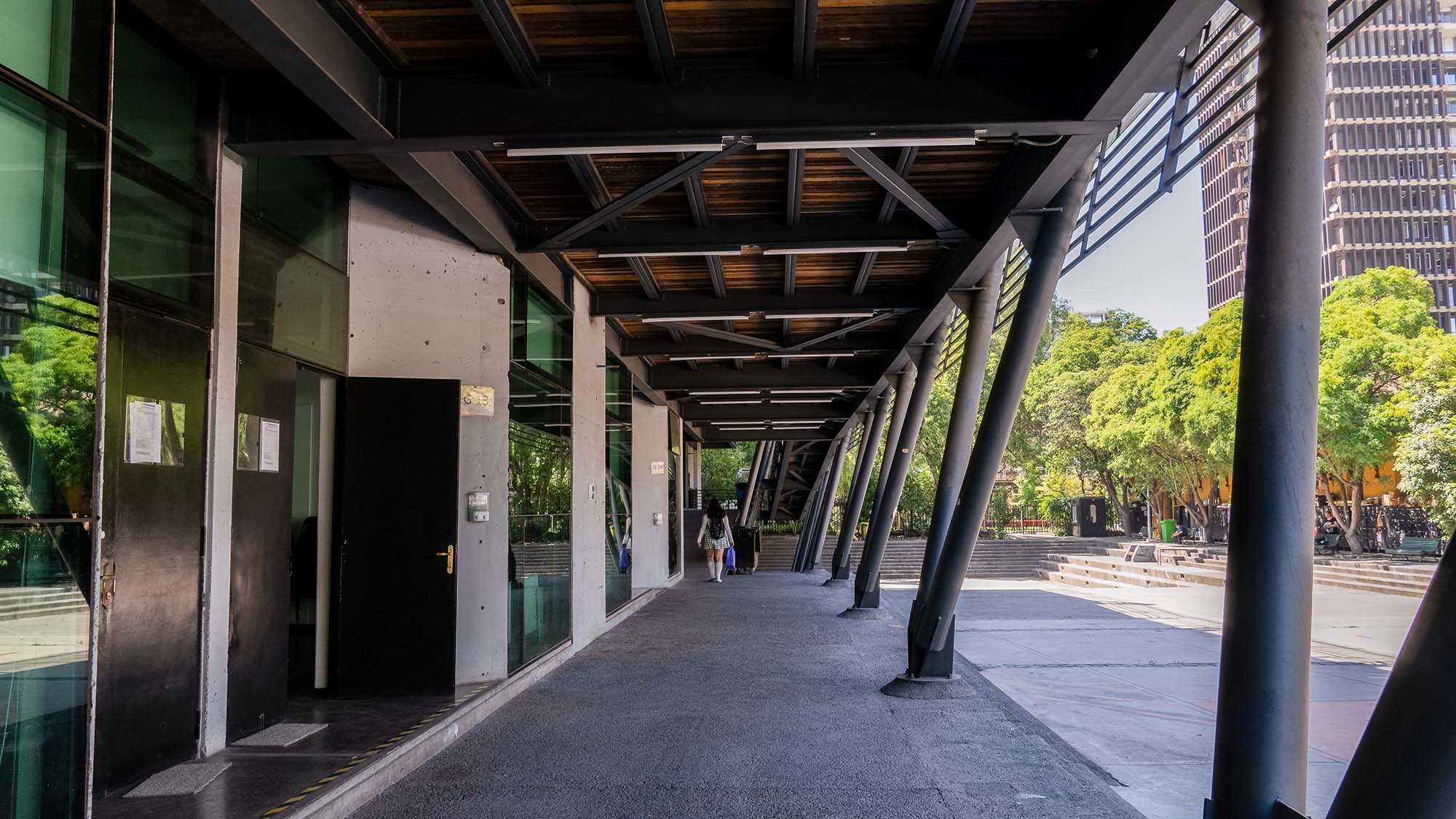
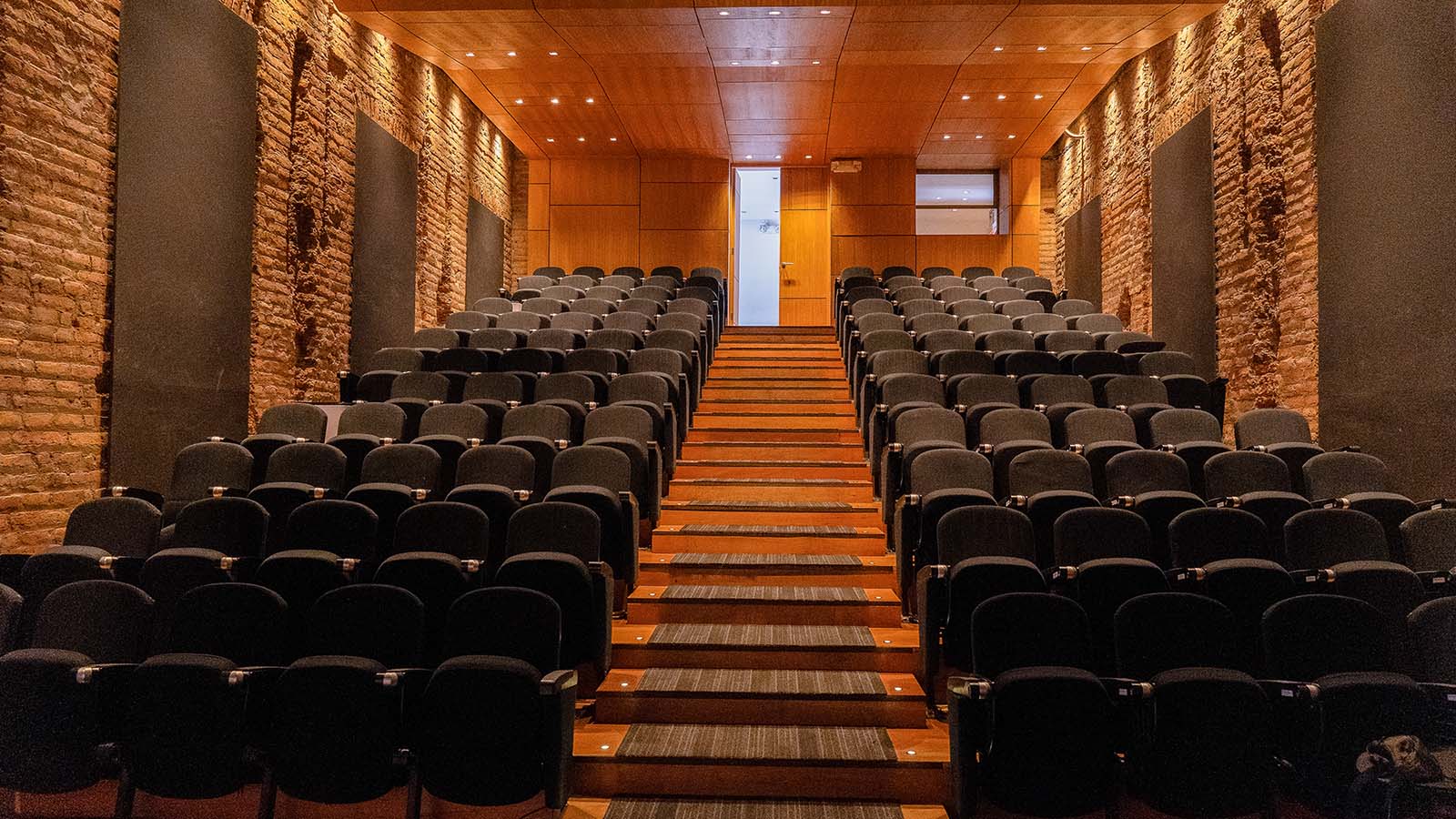
FAU carries out its academic activities on the Andrés Bello Campus, located in central Santiago, where undergraduate and postgraduate programs coexist with research centers, laboratories, and spaces dedicated to artistic and cultural production. At the undergraduate level, the faculty offers degree programs in Architecture, Design and Geography, fostering interdisciplinary perspectives that connect spatial practices with social and territorial processes. At the postgraduate level, FAU offers doctoral and master’s programs, along with postgraduate diplomas, which contribute to advanced research and professional specialization in architecture, urban studies, geography, and related fields.
As part of the University of Chile—an institution that serves a community of more than 40,000 students—FAU plays a strategic role in the education of professionals and researchers committed to the public interest. Through its academic, research, and outreach activities, the faculty contributes to critical debates on the city, territory, and environment, reaffirming its responsibility in the construction of more just, inclusive, and sustainable forms of habitation.
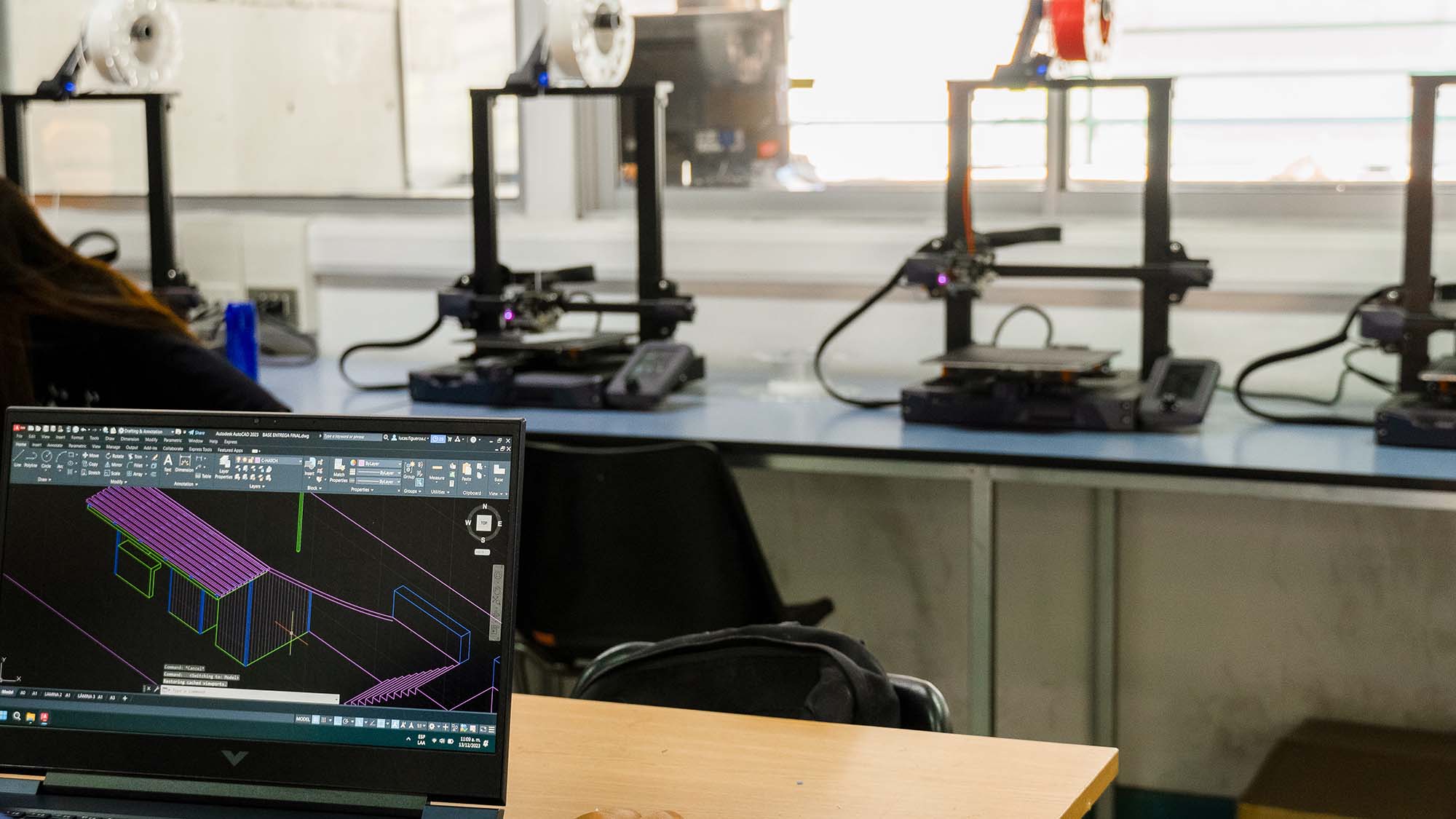
2026 Venue
Santiago de Chile
Welcome to Santiago de Chile, the political, cultural, and economic capital of the country. Located in the heart of the Central Valley, the city extends along the banks of the Mapocho River, framed by the Andes Mountains to the east and the Coastal Range to the west. Founded on February 12, 1541, by Pedro de Valdivia under the name Santiago del Nuevo Extremo, Santiago has grown into one of the most significant metropolitan centers in Latin America.
As the core of the Greater Santiago metropolitan area, the city concentrates more than seven million inhabitants and hosts the country’s main political institutions, universities, cultural centers, and economic activities. Its extensive connectivity and infrastructure include a modern public transportation system, an international airport, and major highways that link the city to the rest of the country and the region. Santiago’s urban landscape combines historic districts with contemporary architecture, offering a wide range of museums, gastronomy, shopping areas, theaters, parks, and large-scale cultural and entertainment venues.
Santiago has played a central role in Chilean history from the colonial period to the present day, serving as the stage for key political, social, and cultural transformations that have shaped the nation. The La Moneda Palace, seat of the Chilean government, stands as a powerful symbol of the country’s republican tradition and modern political history.
The identity of Santiago is the result of multiple overlapping cultural layers, beginning with the indigenous presence in the Mapocho Valley prior to Spanish colonization and continuing through the colonial and republican periods reflected in its urban form and institutions. These foundations were later enriched by strong rural–urban exchanges, significant European immigration during the 19th and 20th centuries, and, more recently, by multicultural dynamics driven by Latin American and global migration. Together, these influences have shaped a diverse, complex, and constantly evolving urban identity.
The city is home to a wide range of heritage sites and cultural institutions, including colonial churches, historic neighborhoods, and internationally recognized museums. Landmarks such as the Church of San Francisco, the National Museum of Fine Arts, and the Chilean Museum of Pre-Columbian Art testify to Santiago’s historical depth and cultural significance.
Today, Santiago presents itself as a dynamic and globalized city marked by contrasts and coexistence. Financial districts with high-rise buildings stand alongside traditional neighborhoods and large urban parks, such as the Metropolitan Park of Santiago, one of the largest urban parks in the world. Its contemporary artistic, cultural, and gastronomic scenes continue to expand, positioning the city as a leading urban destination in South America.
Come and discover Santiago de Chile—a city where history and modernity intersect, where cultural diversity thrives, and where urban life unfolds between mountains, parks, and vibrant neighborhoods. Santiago is an accessible, welcoming, and multifaceted city that invites you to experience the richness of Chilean culture. Enjoy Santiago.
Essential Travel Information
✈️ Santiago International Airport
Arturo Merino Benítez International Airport (SC)
Santiago International Airport is the main gateway to Chile and is located approximately 20 km from the city center. Before your arrival, we recommend checking available airport services, transportation options, and passenger information to ensure a smooth start to your visit.
General Information for Tourists
Before traveling to Chile, we recommend reviewing official information regarding customs procedures, entry requirements, and regulations for international visitors.
More information: Chile Customs – Traveler Information
Currency Information
The official currency of Chile is the Chilean Peso (CLP). Currency exchange services are available at Santiago International Airport and at authorized exchange offices throughout the city.
For convenience upon arrival, you can exchange currency at airport exchange houses. For additional options in the city center, authorized exchange offices such as Afex are available.
Recommended exchange services:
Visa Requirements
Entry requirements depend on your nationality. Please check the latest official information before traveling.
- Mercosur countries: Travelers may enter Chile using a valid national identity document (ID card).
- Other countries: A valid passport is generally required, and some nationalities may also require a visa. Certain exceptions may apply depending on nationality and travel conditions.
Official Taxis & Airport Transfers
For a safe and comfortable transfer between the airport and your accommodation, we recommend using authorized transportation services. Official taxis and transfer companies operate from Santiago International Airport and provide reliable options for visitors.
Recommended services:
- Transvip – Official airport transfer service
- Taxi Oficial – Authorized airport taxi service
Vaccinations & Health Recommendations
Travelers are encouraged to review recommended health measures before visiting Chile. Routine vaccinations should be up to date, including:
- Tetanus and diphtheria
- Hepatitis A and Hepatitis B
- Seasonal influenza vaccine, especially for travel during autumn and winter months
For updated health recommendations and travel requirements, please consult official health and travel advisory sources.
Safety Recommendations
Your safety is our priority. Before exploring Santiago, we encourage you to review the official travel safety recommendations provided by Chilean tourism authorities. These practical guidelines will help you enjoy a safe, informed, and worry-free stay during your visit.
Discover Santiago
Enhance your visit to Santiago by exploring our curated map of points of interest. Discover recommended restaurants, cultural venues, architectural landmarks, and other attractions to make the most of your time in the city during the congress.
Restaurants in Santiago
Discover some of Santiago’s recommended restaurants and explore the city’s diverse gastronomic offerings. From Chilean specialties to contemporary cuisine and international flavors, these options provide an opportunity to experience the local food scene during your visit.
Museo Nacional de Bellas Artes
Is one of Santiago’s most iconic cultural landmarks and a must-visit destination for art and architecture lovers. Located in the heart of Parque Forestal, this historic museum houses one of Chile’s most important collections of national and international art. Its magnificent Beaux-Arts style building, inaugurated in 1910, offers visitors a unique experience where heritage, creativity, and Chile’s artistic legacy come together.
Barrio Lastarria
Lastarria and Bellas Artes neighborhoods blend Santiago’s bohemian spirit with its rich architectural heritage. As you stroll through their streets, you’ll be surrounded by elegant neoclassical façades and national landmarks, including the iconic Museum of Fine Arts. This vibrant district seamlessly combines history with contemporary design, art galleries, independent boutiques, and a thriving cultural scene.
Sky costanera
Is the highest observation deck in Latin America, offering breathtaking 360° panoramic views from 300 meters above Santiago. Located atop the city’s tallest building, it provides a unique perspective of the capital, the surrounding valley, the Andes Mountains, and Santiago’s modern skyline, making it one of the city’s must-visit attractions.
MUT
Mercado Urbano Tobalaba (MUT) is a modern mixed-use complex in the Las Condes district of Santiago, combining office towers, retail spaces, restaurants, cafés, and public areas. It has become one of the city’s newest lifestyle and dining destinations, offering visitors a vibrant urban experience.
Barrio Italia
Barrio Italia is one of Santiago’s most charming and creative neighborhoods, where heritage, design, gastronomy, and local culture come together. Strolling through its streets, visitors can discover restored historic houses, independent boutiques, art galleries, cafés, and restaurants that reflect the neighborhood’s unique character. A vibrant area where tradition blends seamlessly with contemporary urban life, making it a must-visit destination to experience Santiago’s creative spirit.
Accommodation
To help you plan your stay, we recommend the following accommodation options for the congress. Both hotels are conveniently located and provide easy access to the venue.
When making your reservation, please mention that you are attending the SIGraDi Congress and contact Marisol Álvarez, the hotels’ sales representative, to access the special conference arrangements.
Registration
SIGradi 2026
Registration
SIGraDi 2026 will take place in person in Santiago, Chile, from November 18 to 20, 2026.
Registration allows participation in the official academic and social activities of the conference and includes access to thematic sessions during the three days, opening and closing sessions, keynotes, a commemorative panel for the 30 years of SIGraDi, awards ceremony, annual SIGraDi assembly, book launches, and other scheduled activities.
Registration includes participation in all conference activities, the welcome cocktail at the end of the first day, the official conference dinner during the second day, coffee breaks, and light lunches during the three days.
Additional social activities scheduled for Saturday, November 21 are not included in registration and must be purchased separately through channels to be announced in due course.
Registration Rates
Category |
Early Bird |
Regular |
Late |
|---|---|---|---|
| Author – Full Paper | USD 360 | USD 390 | USD 420 |
| Attendee / Co-author | USD 200 | USD 230 | USD 260 |
| Author – Short Paper | USD 200 | USD 230 | USD 260 |
| Undergraduate Student | USD 75 | USD 85 | USD 95 |
| SIGraDi 2027 Membership (optional for non-attendees) | USD 50 | ||
| Guest Official Dinner | USD 75 |
The guest rate for the official dinner is intended for people not registered for the conference.
Registration Rates
The guest rate for the official dinner is intended for people not registered for the conference.
Registration Dates
Registration will open on September 30.
- Early Bird: September 30 – October 14, 2026.
- Regular: October 15 – October 30, 2026.
- Late Registration: starting October 31, 2026.
Authors of accepted papers who wish to have their articles included in the proceedings book must complete their registration no later than October 14, 2026.
More information
Full Paper Authors
Each accepted Full Paper must be associated with the registration of at least one of its authors under the Full Paper Author category. This registered author will be able to attenYour Title Goes Hered the conference. Papers that do not have a valid author registration before October 15, 2026 will not be published or included in the SIGraDi 2026 proceedings book. Papers that have paid a registration fee cannot be removed from the proceedings book after October 15, 2026.
When completing registration, authors must indicate the corresponding Paper ID.
The first author with more than one accepted Full Paper must complete at least one full registration associated with the first paper. If the same first author has a second Full Paper, they will have the option to pay a 50% discount on the corresponding Author fee for the registration period. A first author with a third Full Paper must register again at the full Author fee; and a fourth Full Paper can again access the 50% discount. This benefit does not apply to co-authors.
Authors wishing to attend the conference must ensure that they have registered the Full Paper via an Author registration. This registration is non-transferable to co-authors. Additional co-authors may attend the conference through an additional reduced-rate registration as Attendee / Co-author. A single co-author registration associated with a Full Paper does not include publication of the article in the proceedings book or its presentation during the conference.
Short Paper Authors
Papers selected for presentation in Poster format will be published as Short Papers and have a reduced registration fee. Each Short Paper must be associated with the registration of at least one of its authors under the Short Paper Author category, within the same dates as Full Papers. This registration does not replace a full paper registration. Accepted and presented Short Papers will be included in the official SIGraDi 2026 proceedings book, volume 2, and will have DOI and ISSN.
The presentation of these papers will take place in the format defined for the conference Short Papers/Poster session, in person or online.
Reduced Rates
SIGraDi 2026 offers reduced rates for:
- attendees and co-authors;
- authors and co-authors of Short Papers; and
- undergraduate students.
The student rate is available exclusively for undergraduate students. No differentiated rates or discounts are offered for graduate student status. When applicable, documentation proving compliance with requirements to access a reduced rate will be requested.
Online Participation
SIGraDi 2026 is a primarily in-person conference. However, a limited number of spots will be available for online presentation of accepted papers, prioritized for authors facing restrictions that prevent them from attending in person in Santiago. Authors requiring this option must complete the request form available below:
Online Participation Request Form
The allocation of these spots will be subject to case-by-case evaluation and spot availability. Online participation must be approved and confirmed by the Organizing Committee.
Online participation is subject to the same registration rates and dates as in-person participation.
Cancellations and Refunds
Cancellation requests received by October 31, 2026 will be eligible for a refund of the amount paid, minus an administrative fee of USD 70. This refund may take 30 days. After October 31, 2026, no refunds will be made. Authors who have paid registration for article publication cannot withdraw their article from the publication process after October 14.
Chargebacks or payment reversals made via credit card will be subject to an administrative fee of USD 70.
Important for publication: Only articles (Full Paper or Short Paper) that have at least one registration under the Author category will be included in the proceedings book. There will be no exceptions.
Ready to participate?
Select the appropriate registration category and complete your registration for SIGraDi 2026.
Call for abstracts
Abstract submission closed.
Call for Full Papers
Abstract submission closed.
PhD Workshops
About
The PhD Workshop is a space for PhD students to share their doctoral research proposals, at any stage of progress, and receive feedback from established researchers in the region. The workshop program combines work sessions between students and mentors (organized into groups based on the level of research progress), a round of expert presentations, and a group conversation involving all participants.
Eligibility and selection
The call is open to all doctoral candidates from Ibero-American institutions in fields related to SIGraDi. Participation is free. A panel of researchers from the SIGraDi scientific committee will evaluate applications and select up to eight proposals. The evaluation criteria will be based on innovation, relevance, and potential impact for the CAAD community.
Awards
All selected participants will receive a digital certificate of participation. Additionally, two special prizes will be awarded (best doctoral proposal and best oral presentation), along with the right to represent SIGraDi at the World CAAD PhD Workshop 2027.
Dates
12 October
Deadline for receipt of proposals
26 October
Notification of acceptance
7 November (all day)
(Two sessions, one in the morning and one in the afternoon): PhD Workshop
Application at the following link
Online Workshops
In the context of SIGraDi 2026: Beyond AI_ded Design — Looking Forward, Looking Backward, we invite you to submit your Online Workshop proposal by September 20, at the following link.
The online workshop program extends this discussion through experimental and critical forms of learning for an international community.
Call for Proposals
The workshops must be held during the last week of October (29-30/10) and the first week of November 2026 (2-3/11). SIGraDi seeks proposals that move beyond purely instrumental software training, combining technical or methodological experimentation with critical reflection on architecture, computation, culture, territory, materiality, ecology, and technological autonomy in Ibero-America and the Global South.
Technology should be approached not only as a tool to be mastered, but as a means to question, speculate, document, and intervene.
Online workshop proposal submission closed
Workshops Organization: Prof. Dr. Gui Vasconcelos (guilherme@guiv.com.br)
Workshops COL Organization: Prof. Dr. Alberto Fernandez Gonzalez (alfernan@uchile.cl alberto.fernandez.11@ucl.ac.uk)
FAQs
Frequently Asked Questions
General Information
Where and when will SIGradi 2026 take place?
SIGradi 2026 will be held in Santiago, Chile, from November 18 to 20, 2026. The main conference will take place at the University of Chile.
What are the official languages of the conference?
Following SIGradi’s tradition, the conference accepts submissions and presentations in English, Spanish, and Portuguese. However, to ensure broader international reach and inclusion in global databases, authors are strongly encouraged to submit the final paper in English.
Submissions and review process
How do I submit my paper?
All papers must be submitted through our official conference management system at OpenConf. Please ensure you create an account before the submission deadline.
What is the review process?
We use a double-blind peer review process. This means the identities of the authors are concealed from the reviewers, and vice versa. Please ensure your initial submission does not include author names, affiliations, or obvious self-citations.
What is the maximum number of authors allowed per abstract/paper?
Up to 12 authors are allowed.
Publication
Where will the conference proceedings be published?
The official proceedings of SIGradi 2026 will be published digitally with an ISBN and DOI for each paper.
Our team
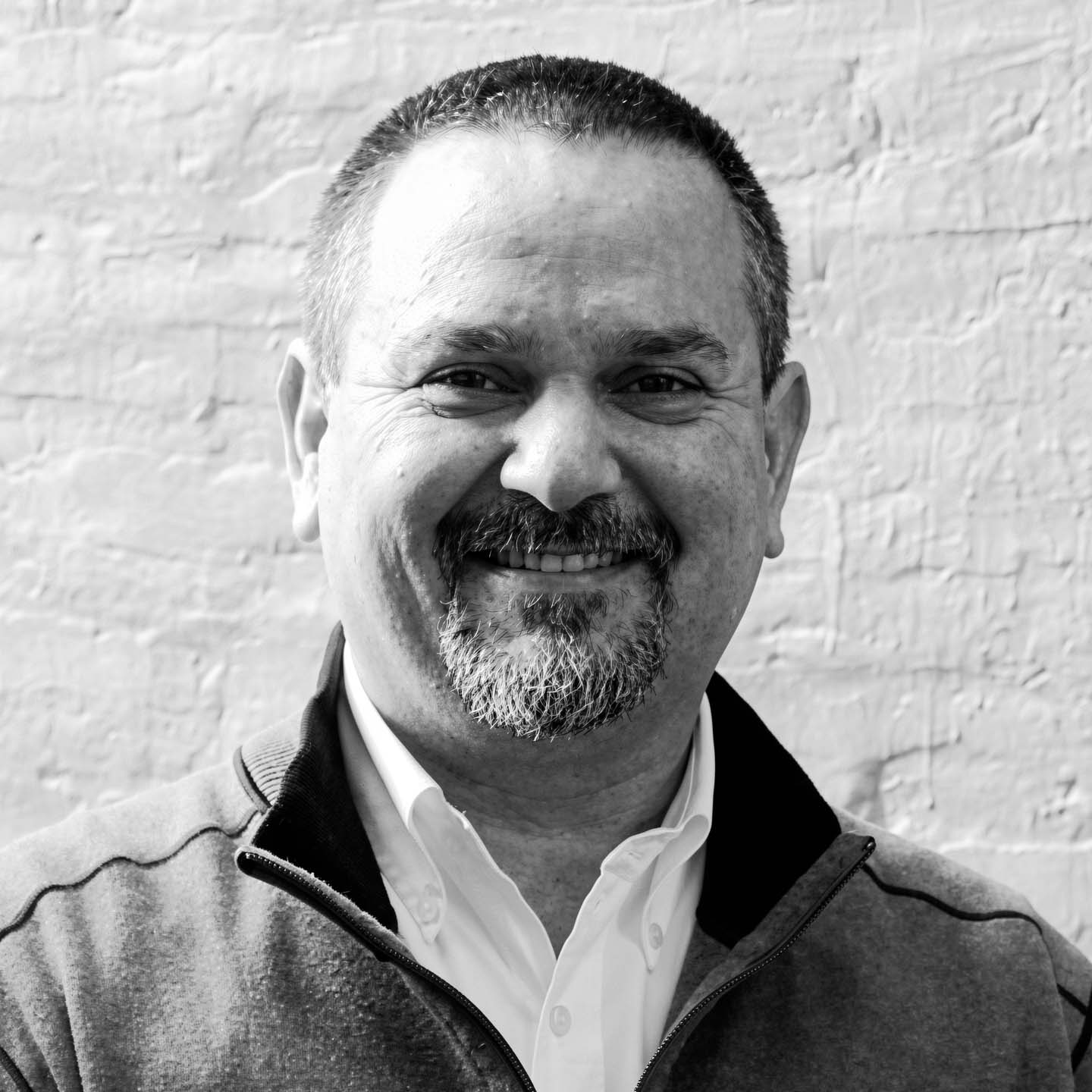
Director
Pedro Soza
Chile

Co-Director
Bruno Perelli
Chile
Eduardo Hamuy
Openconf Platform
Magdalena Cattan
Openconf Platform
Lorna Lares
Logistics Committee
Claudio Castro
Logistics Committee
Osvaldo Zorzano
Design & Communication
Roberto Doussang
Design & Communication
Roxana Alvarado
Design & Communication
Magdalena Cattan
Track Chairs & Moderators
Eduardo Hamuy
Track Chairs & Moderators
Mauricio Loyola
Track Chairs & Moderators
Alberto Fernández
Track Chairs & Moderators
Tomas Cox
Track Chairs & Moderators
Rodrigo Moreno
Track Chairs & Moderators
Alberto Fernández
Workshop coordination
Mauricio Loyola
PhD Wokshop coodination
Our team
Pedro Soza
Director
Bruno Perelli
Co-Director
Eduardo Hamuy
Openconf Platform
Magdalena Cattan
Openconf Platform
Lorna Lares
Logistics Committee
Claudio Castro
Logistics Committee
Osvaldo Zorzano
Design & Communication
Roberto Doussang
Design & Communication
Roxana Alvarado
Design & Communication
Magdalena Cattan
Track Chairs & Moderators
Eduardo Hamuy
Track Chairs & Moderators
Mauricio Loyola
Track Chairs & Moderators
Alberto Fernández
Track Chairs & Moderators
Tomas Cox
Track Chairs & Moderators
Rodrigo Moreno
Track Chairs & Moderators
Alberto Fernández
Workshop coordination
Mauricio Loyola
PhD Wokshop coodination
Contact
Local host