
International Executive Committee

Paula Gómez, USA/ Chile
Presidency
Dr. Paula Gómez obtained her Ph.D. in Computational Design from Georgia Tech, sponsored by Fulbright, and her bachelor’s and professional degrees in Architecture from the Technical University of Santa Maria, Chile. Paula is a Senior Research Engineer at the Georgia Technology Research Institute (GTRI), where she founded the Healthcare Design Analytics research group, is instructor on the Vertically Integrated Project (VIP) program, Principal Investigator on research projects for Spatiotemporal Model of COVID-19 spread in buildings, director of tasks for the Gates Foundation Generation 2 Reinvented Toilet (G2RT) and the NASA Kennedy Space Center Visitor Complex PZ-interactive flooring system. Paula has significant academic experience, including spatiotemporal modeling, information and knowledge modeling, systems modeling, and MBSE. Paula’s work has been recognized by her peers with several international awards. She serves on the SIGraDi board since 2017, as well as several scientific reviews committees, including SIGRADI, eCAADe. SIMAUD, and ASCAAD. She also has served as a guest editor of the International Journal of Architectural Computing, IJAC (2018-2022).
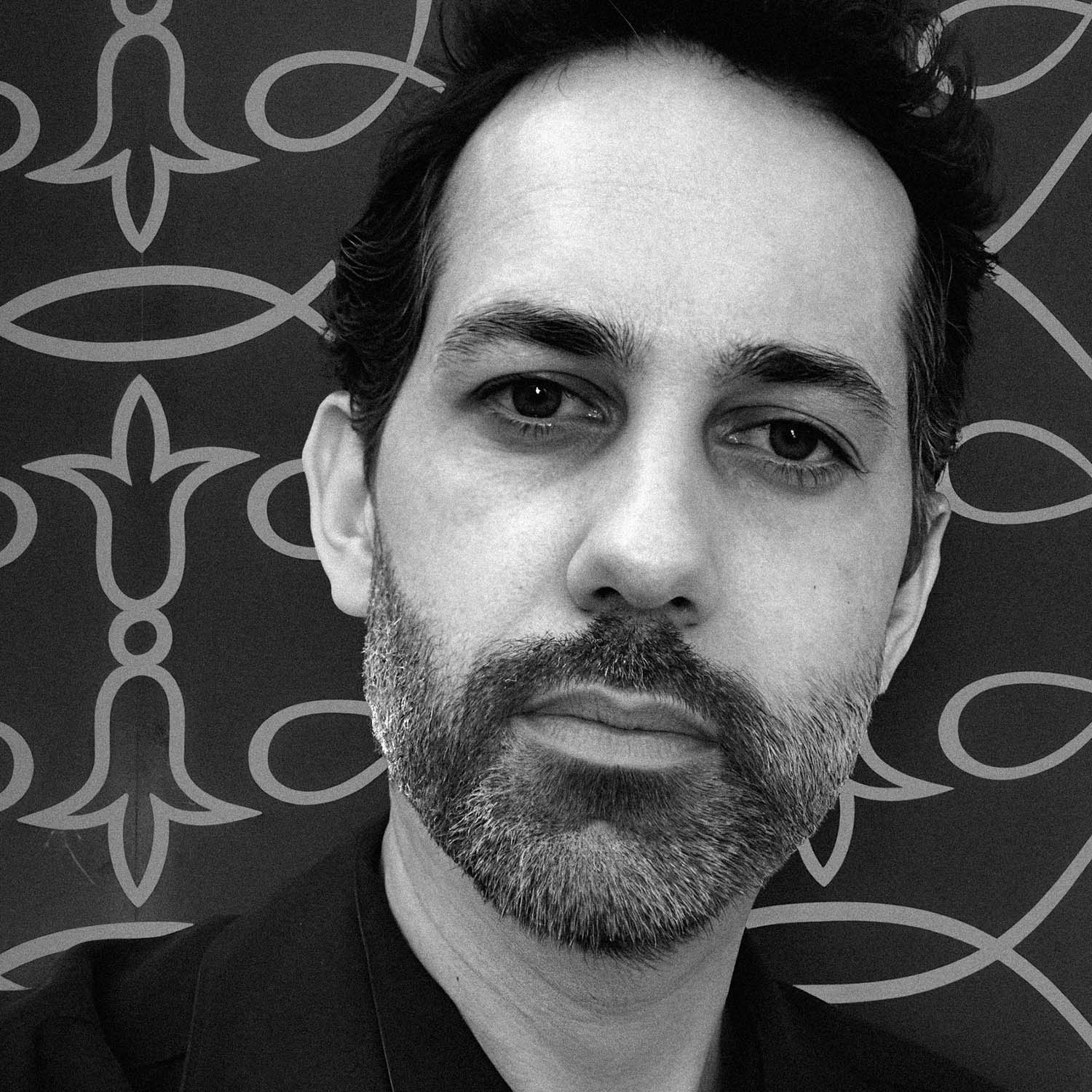
Frederico Braida, Brasil
Administrative Vice Presidency
Frederico Braida holds a Ph.D. and M.A. in Design from PUC-Rio and an M.A. in Urbanism from UFRJ, with postdoctoral studies in Mathematics and Design. He is currently Associate Professor at the Federal University of Juiz de Fora (UFJF), Brazil, where he leads LEAUD (Laboratory for the Study of Languages and Expressions in Architecture, Urbanism and Design).
His research focuses on the interfaces between architecture, urbanism, design, and digital technologies, with emphasis on education and communication. He is a BIM project management specialist and author of several publications, including the book “101 Concepts of Architecture and Urbanism in the Digital Age.” He has extensive experience as a researcher, guest editor in specialized journals, and member of international scientific committees.

Gabriela Bustos, Venezuela
Vice Presidency of International Relations
Gabriela Bustos is an Architect, M.Sc. in Computer Science in Architecture, and Ph.D. in Architecture (with honors) from the University of Zulia (LUZ), Venezuela. Her academic career began at LUZ, where she served as professor and researcher (1999–2015), leading the implementation of digital virtual reality programs in the School of Architecture and Design. Her research focuses on the application of Extended Reality (XR) and Virtual Reality (VR) in teaching processes and architectural design studios. Since 2018, she has been a studio and seminar professor at the School of Architecture & Urban Planning (SARUP), University of Wisconsin-Milwaukee (UWM), where she founded the first VR elective course and the PLURIS XR mentorship team. She has led innovative projects such as the virtual version of the Solar Shrine for Burning Man 2020 and the SARUP Virtual Campus. She currently serves as Director of Extended Reality and Immersive Technologies at the SARUP Institute for Historic Preservation, UWM.
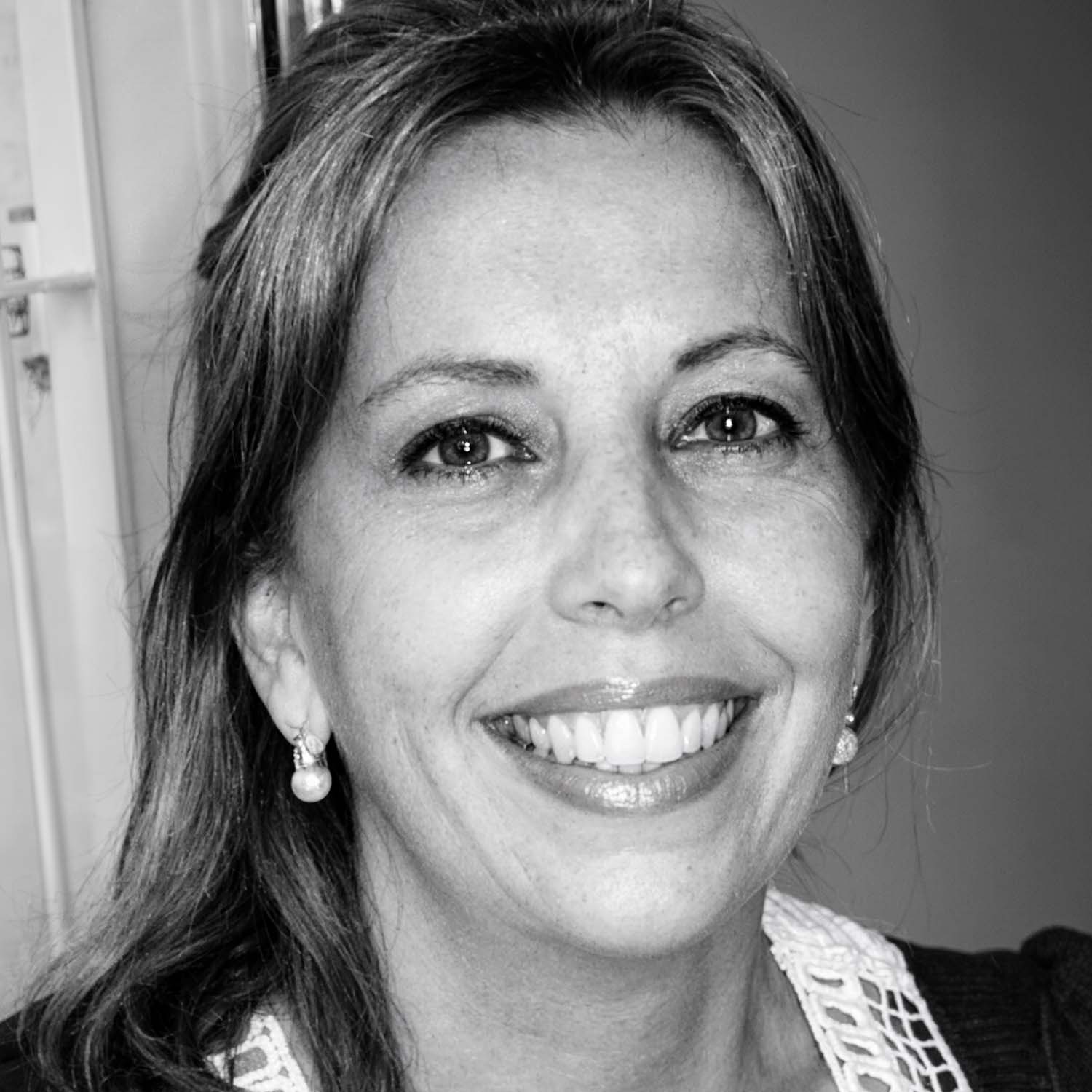
Patricia Hernández, Argentina
Treasury
Patricia Hernández is an academic and researcher at the Faculty of Architecture, Urbanism and Design of the National University of Córdoba (FAUD-UNC), Argentina. She has extensive experience in institutional management and in fostering academic and professional communities in the field of digital graphics. She has held high-level international leadership roles, serving as President, Vice President, and Secretary of the Iberoamerican Society of Digital Graphics (SIGraDi) during various terms. Her expertise focuses on strengthening research activities, ensuring continuity of regional projects, and addressing historical challenges within the Iberoamerican academic community. She has also served as Host Chair, reinforcing her commitment to institutional growth and professional development in the discipline.
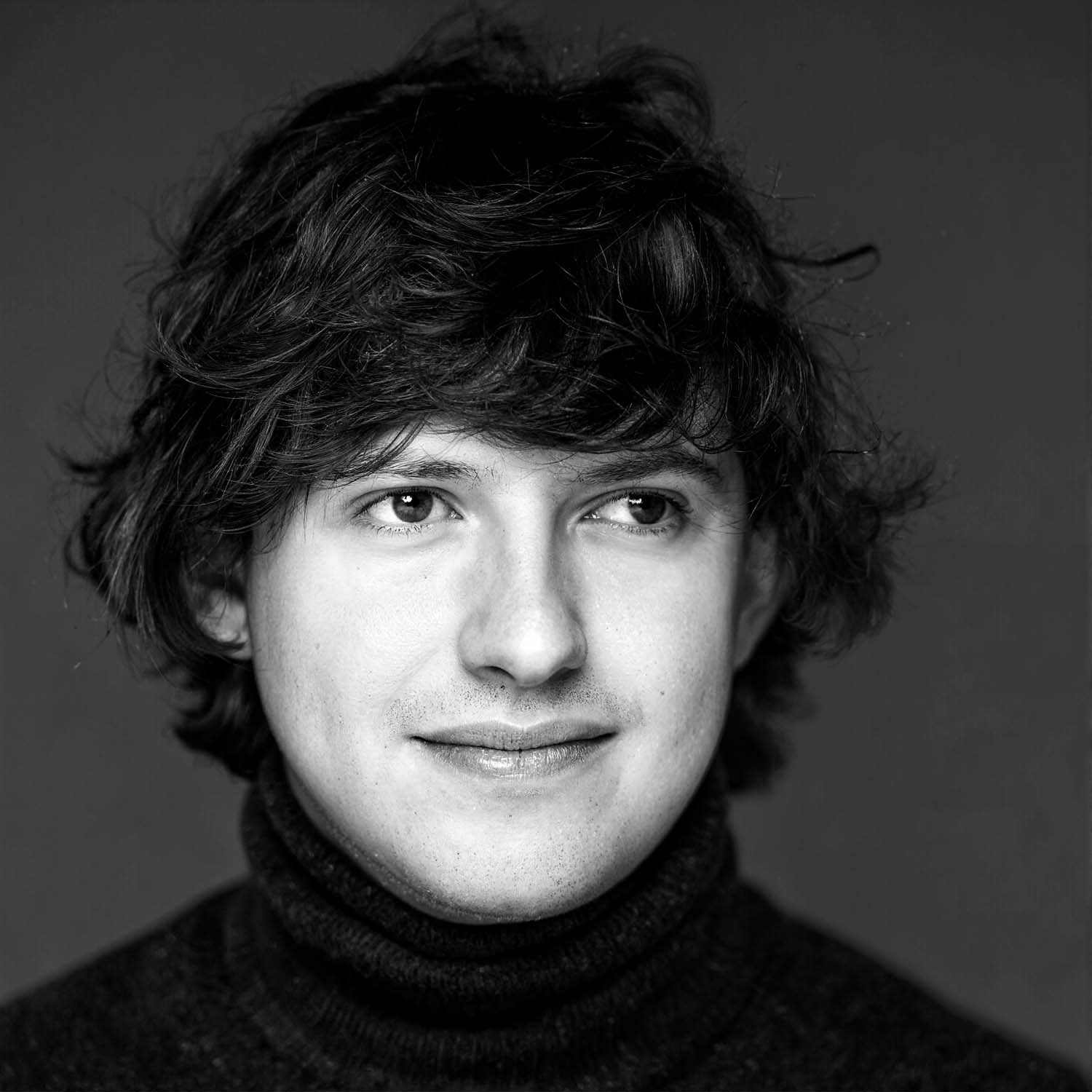
Victor Sardenberg, Brasil
Editorial Director
Dr. Victor Sardenberg is an architect and researcher whose practice and research focus on architectural design experimentation, particularly computational aesthetics, robotic fabrication, and artificial intelligence. He is the architectural designer of FILE – International Festival of Electronic Language. In his doctoral thesis, he developed a computational framework to predict aesthetic preferences using computer vision and artificial neural networks. He earned his Ph.D. with summa cum laude distinction from Leibniz Universität Hannover, where he taught between 2016 and 2024, as well as at Universidade Presbiteriana Mackenzie. He is currently a postdoctoral researcher at Universidade Presbiteriana Mackenzie and professor at the Detmolder Schule für Gestaltung. He has previously taught at AA Visiting Schools, Aarhus Universitet, Hochschule Düsseldorf, PUC-Rio, UNICAP, UFMS, and UFRJ. He holds a Master of Arts in Architecture and Urban Design from Städelschule in Frankfurt am Main. He has collaborated with studios such as Gabriel Lester, SUBdV Architecture, Tobias Rehberger, Franken Architekten, Studio Campanas, and Guto Requena.
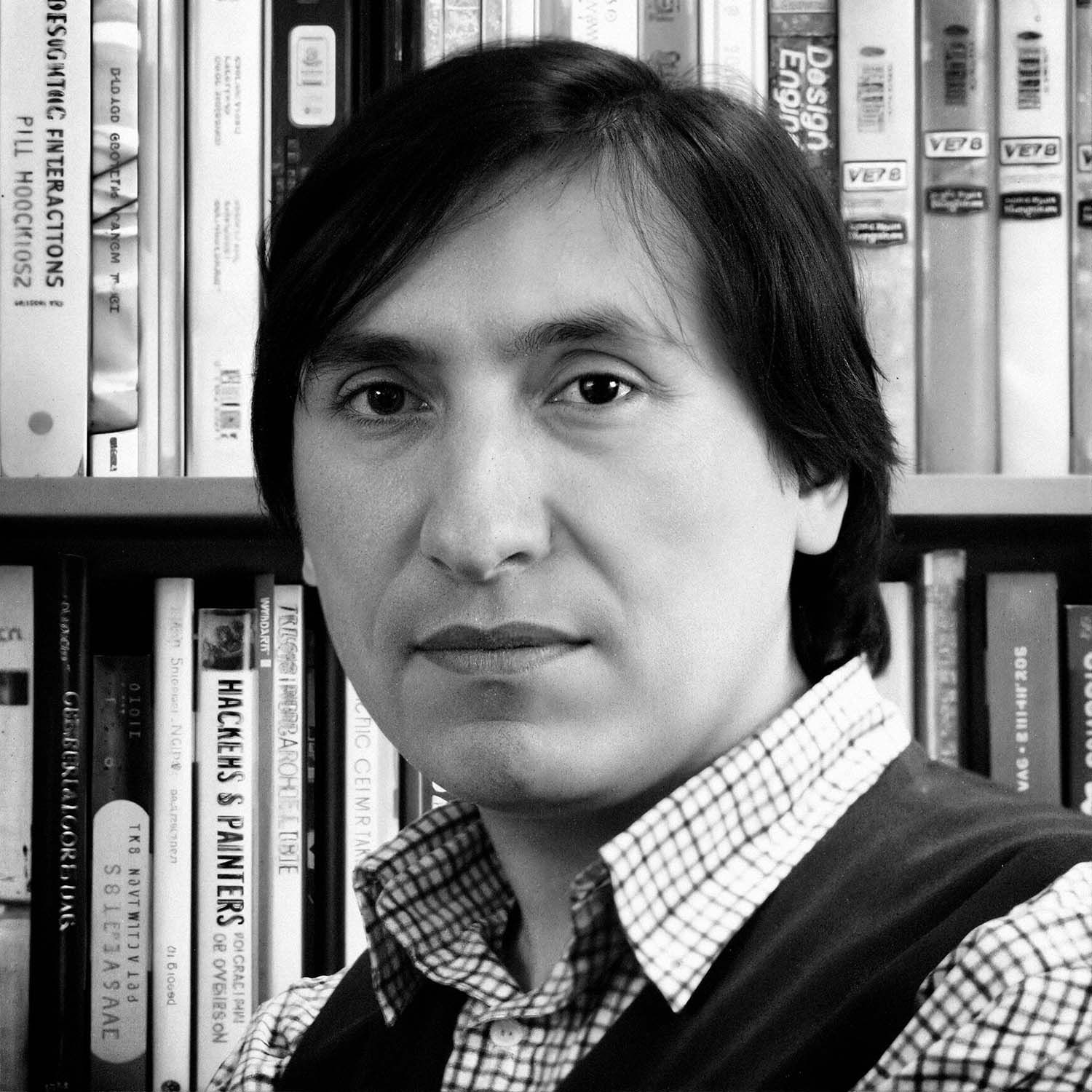
Pablo C. Herrera, Perú
Scientific Director
Pablo C. Herrera is a full-time professor and researcher at the Faculty of Architecture of the Universidad Peruana de Ciencias Aplicadas (Peru). He is an Industrial Designer and holds an M.Sc. in History, Theory, and Criticism of Architecture. He is a Certified Researcher by the National System of Science, Technology and Innovation (SINACYT/CONCYTEC). He founded the Computational Design Solution project in Latin America in 2006. Since 2003, he has been a member of editorial and scientific committees in Europe, Asia, and Latin America in digital technologies and architecture, including CAADRIA, CAAD Futures, eCAADe, SIGraDi, ACSA, FabLab Research, and IJAC. He served as Co-chair of the Homo Faber Exhibition (2015, 2018) and President of SIGraDi (2015–2017). His recognitions include the Arturo Montagú Award (2013), ACM Senior Member Award (2015), and Publons Peer Review Awards (2017).
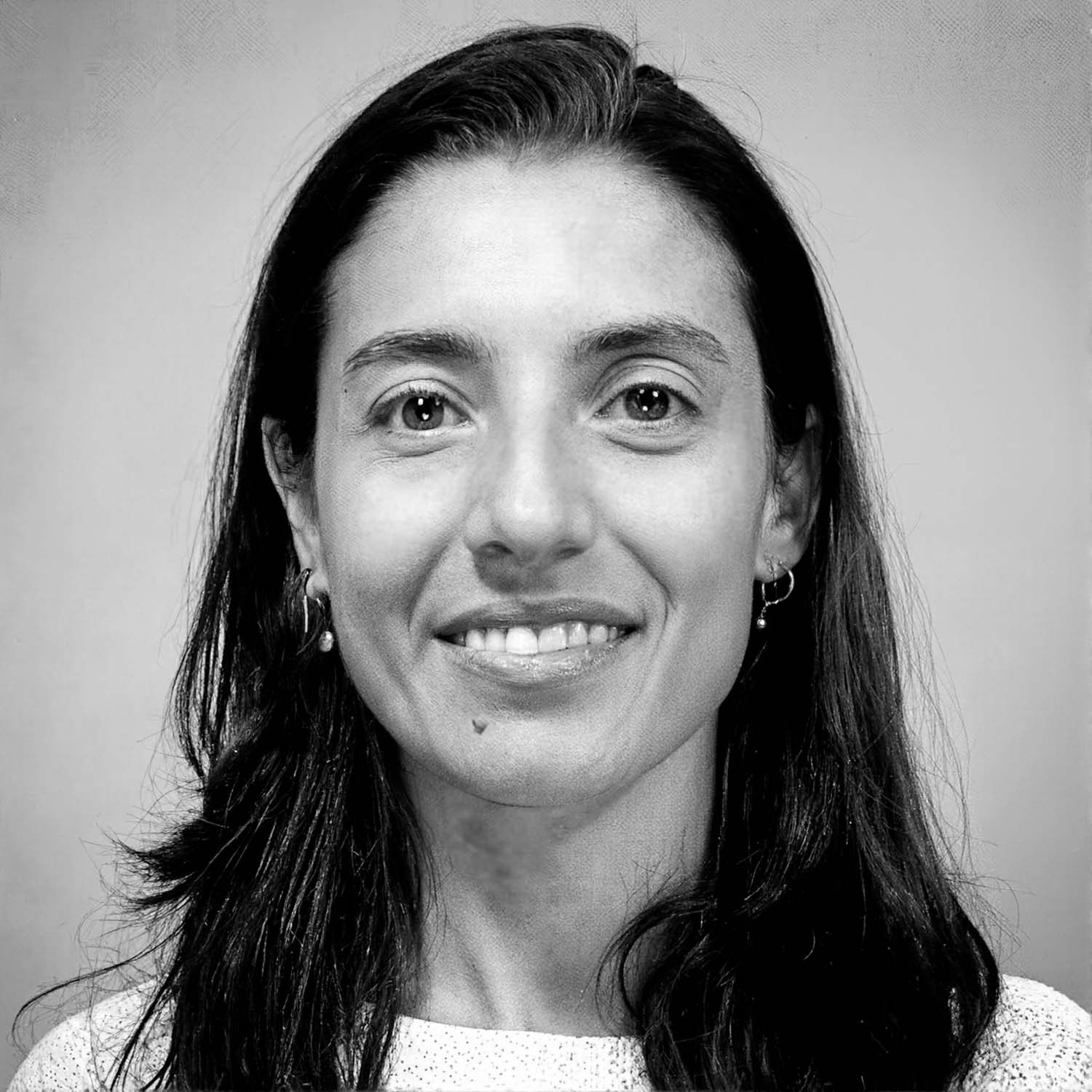
Raquel Landenberg, Argentina
General Secretary
Raquel Landenberg is an architect graduated from the National University of Córdoba (UNC), holds a Master’s degree in Housing Management and Development, and is a Ph.D. candidate researching parametric design applied to sustainable micro-architectures. She serves as professor and researcher at FAUD-UNC, promoting the integration of emerging technologies, teaching Digital Fabrication, and incorporating Augmented Reality (AR) and Virtual Reality (VR) tools into the design curriculum. Her professional profile integrates rigorous academic research with independent professional practice and housing project management. She has experience organizing and coordinating large-scale academic events at the intersection of architecture and technology.

Leia Bruscato, Brasil
Director of Education
Leia Bruscato holds a degree in Architecture from Universidade do Vale do Rio dos Sinos (1994), a Ph.D. in Architecture in the field of Visual Communication in Architecture and Design from Universitat Politècnica de Catalunya (UPC), Spain (2006), and completed a postdoctoral fellowship in Architecture at ETSAV-UPC (2020). She is currently Associate Professor III at the Faculty of Architecture and Urbanism of the Federal University of Rio Grande do Sul (UFRGS) and a permanent faculty member in the Graduate Program in Design (PGDesign-UFRGS), affiliated with the “Virtual Design” research line. Her research investigates Digital Fabrication as a design process, with emphasis on Parametric Design and new graphic representation languages. She leads the ITAD – Innovation and Technology in Architecture and Design Research Group and serves as Vice-Coordinator of the BIM Cell – UFRGS – BIM Curriculum Implementation Plan – MEC. She has prior teaching experience at Unisinos and Unilasalle and has worked as editor of Arquitetura Revista Unisinos. She also served as counselor at the Economic and Social Development Council of Rio Grande do Sul (CDES-RS).
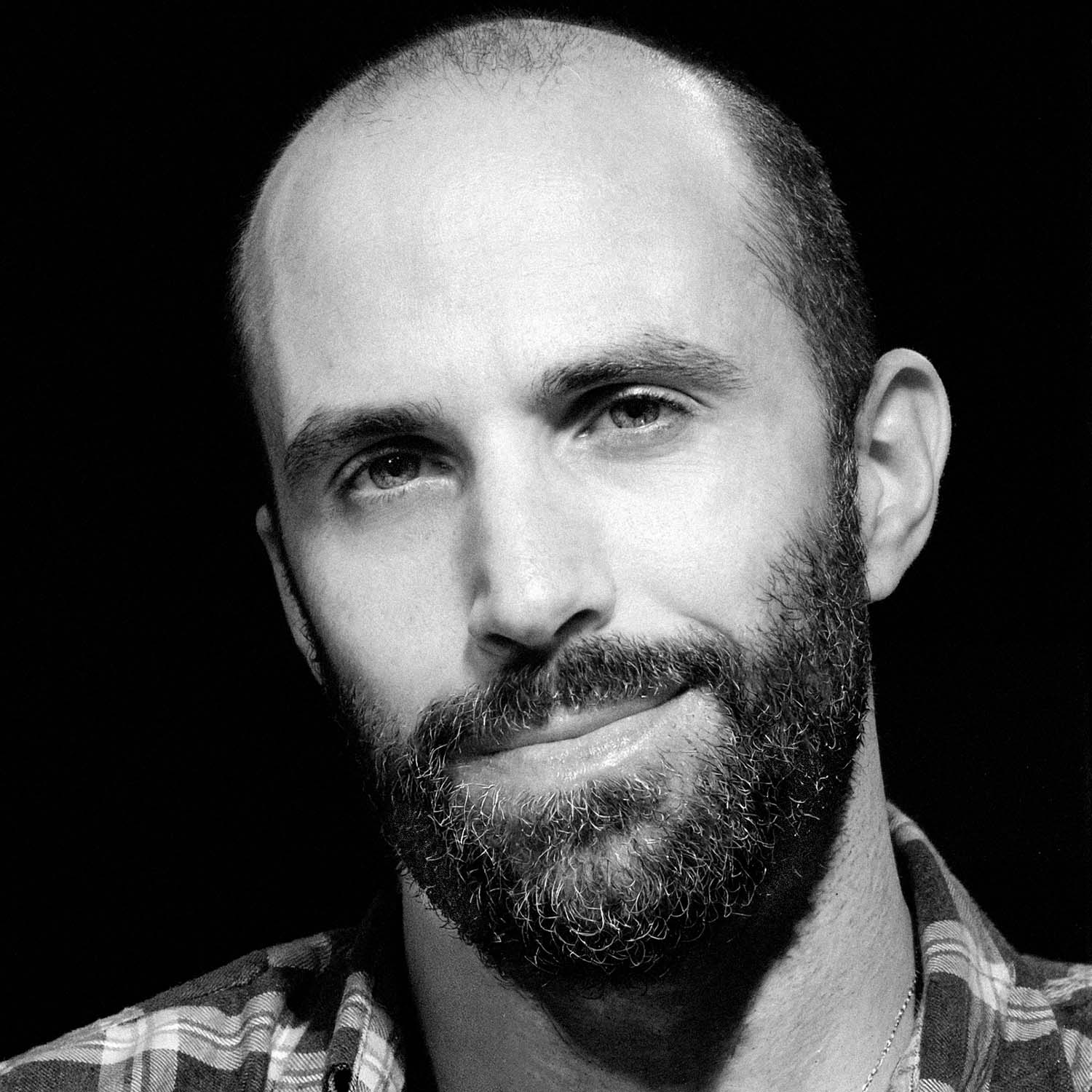
Ángel Armagno Gentile, Uruguay
Director of Communications
Ángel Armagno Gentile is an Architect and holds a Master’s degree in Information and Communication from Universidad de la República (UdelaR), Uruguay, where he is currently pursuing a Ph.D. in Architecture. Since 2015, he has taught at the Center for Digital Integration (CID) of the Faculty of Architecture, Design and Urbanism. His research is conducted within the Laboratory of Digital Design Theories and Practices (VidiaLab), collaborating with the Digital Fabrication Laboratory (FabLabMVD). His academic and professional focus includes advanced digital visualization, rendering, artificial intelligence applied to design, and audiovisual communication. He is a member of the collective PLEXO and has worked as an independent architect and visualizer for internationally oriented architectural firms in Uruguay, Argentina, Costa Rica, and the United States.
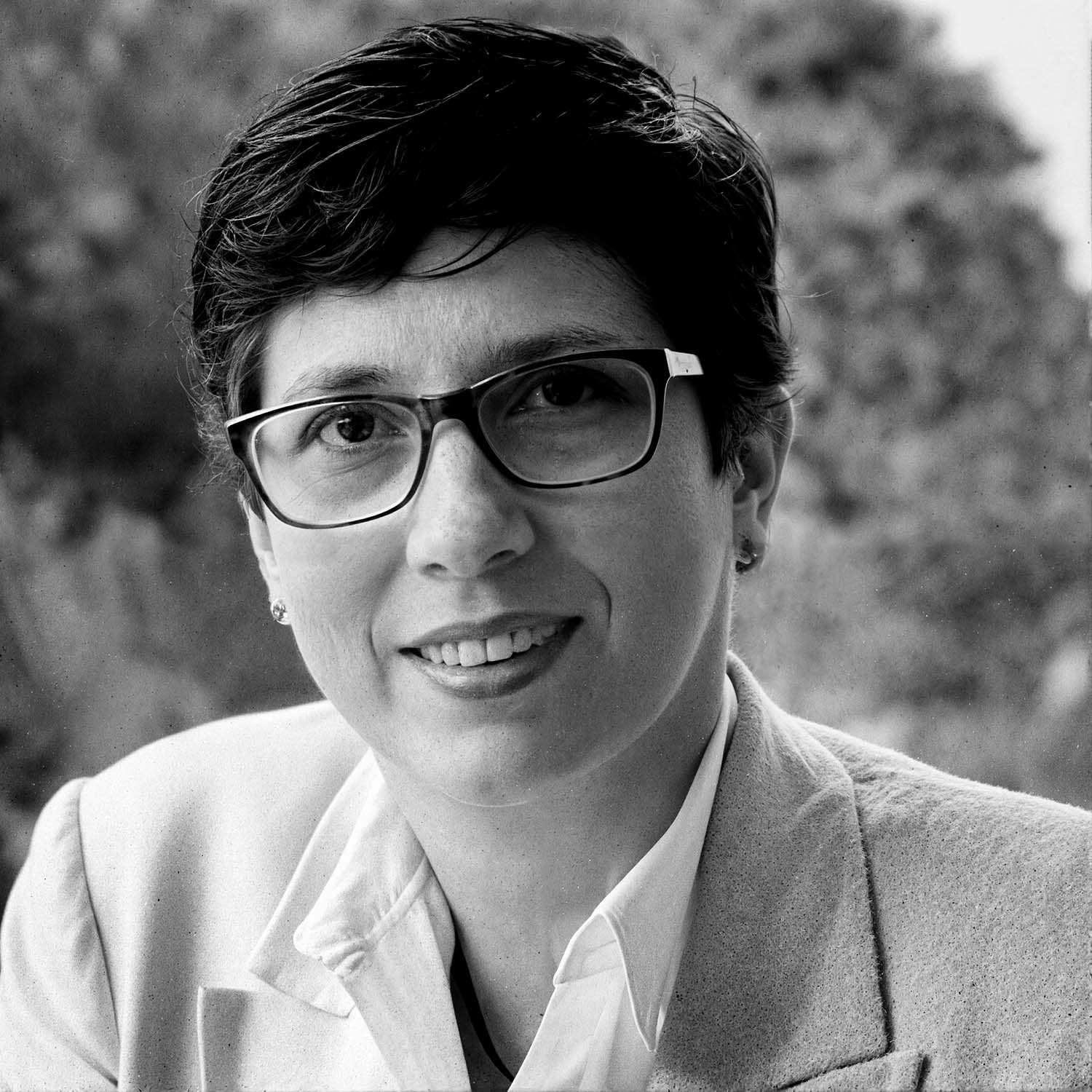
Paola Rossado, Perú
Director of Innovation
Paola Rossado is an architect from Universidad Ricardo Palma (Peru). She holds a Ph.D. in Education, a Master’s degree in Higher Education, and an International Master’s in BIM Management from Instituto Tecnológico Zigurat / Universitat de Barcelona. She is currently professor and head of the BIM Laboratory at the Faculty of Architecture of Universidad Ricardo Palma, thesis advisor in Architecture at Universidad Privada del Norte, and professor in the graduate program at Universidad de Ciencias y Artes de América Latina. She is an accredited researcher by the National Council of Science, Technology and Innovation (RENACYT/CONCYTEC). Her work focuses on research and publication in digital technology applied to architectural design, representation techniques, and construction process optimization using BIM methodology.
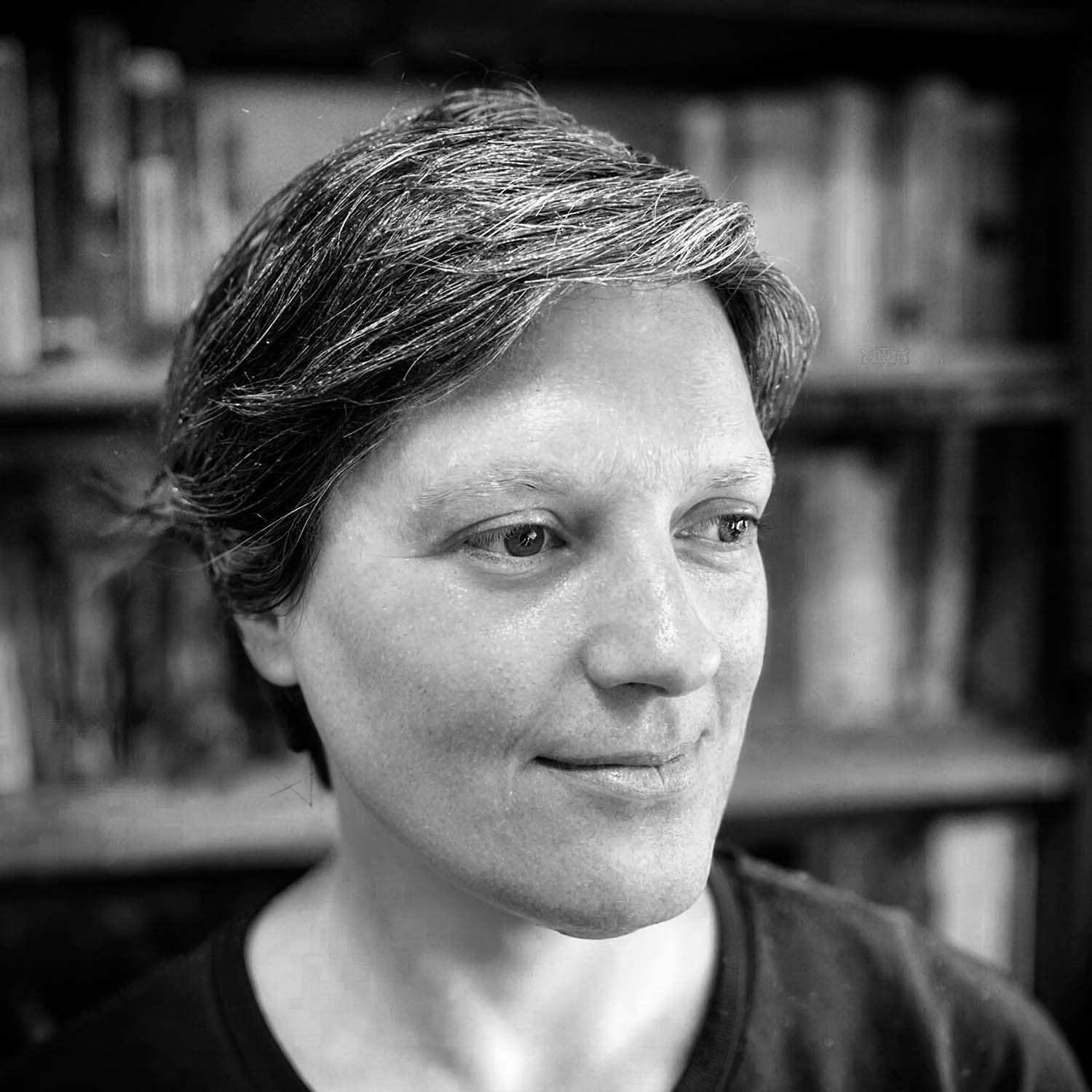
Sara Boccolini, Argentina
Alternate member
Sara María Boccolini is an Architect, holds a Master’s in Housing Management and Development, and a Ph.D. in Urban and Regional Studies from the National University of Córdoba and Bauhaus-Universität Weimar. She is currently Associate Researcher at CONICET at the Center for Research and Studies on Culture and Society (CIECS) and co-directs the Habitat, Environment and Territory Program (PHAT). Her trajectory combines academic research with advanced digital tools, specializing in geospatial technologies, GIS, and interactive web platforms for territorial analysis. She represents her institution at the Argentine Spatial Data Infrastructure (IDERA) and has an extensive publication record in indexed journals on critical cartography and urban studies.
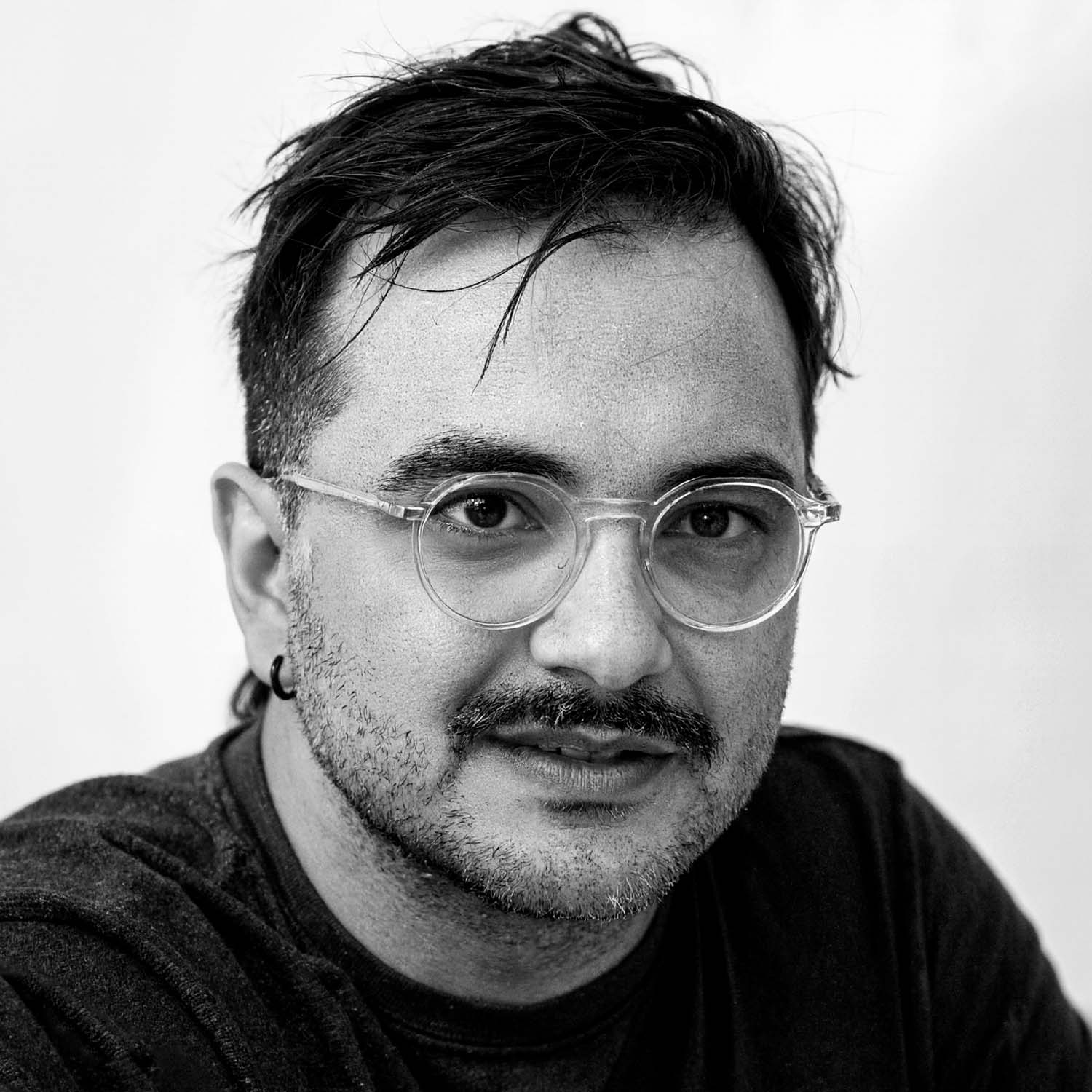
Guilherme Nunes de Vasconcelos, Brasil
Alternate member
Guilherme Nunes de Vasconcelos is an architect, researcher, and full professor at the Federal University of Minas Gerais (UFMG), Brazil, where he has taught since 2016. He coordinates NEXT Lab (Center for Experimentation in Digital Technologies), dedicated to exploring intersections between architecture, cognition, and digital technologies. His work focuses on how immersive and intelligent systems expand creative and perceptual processes in architectural design, emphasizing enactive and embodied approaches. He participates in R&D projects connecting academia and industry, including PLAID–UNIVERCEMIG and INCT Neurotec-R, investigating ecological validity of immersive technologies through physiological sensors. He has served as Head of the Department of Design at UFMG and will undertake a postdoctoral fellowship at KTH Royal Institute of Technology in Stockholm in 2026.

Katherine Caceres, Chile
Alternate member
Katherine Cáceres Corvalán is an architect from Universidad Técnica Federico Santa María (Chile) and holds an MRes in Architecture and Digital Theory from The Bartlett School of Architecture, University College London. She is co-founder of Dum Dum Lab and co-director of Machina Lab, laboratories dedicated to research in new design methodologies and parametric design. She has taught at several Chilean institutions, including Universidad de Santiago and Universidad Técnica Federico Santa María. Since 2011, she has led Workshop Series, a traveling educational program in digital fabrication technologies. Her professional practice includes award-winning experimental projects such as the discrete structure pavilion series and curatorial initiatives such as the Performa Symposium and Bestiaria colloquium, focused on technology, design, and gender.